How to choose a nest house for your hamster
A hamster needs an enclosed shelter to hide and sleep in during the day. What to check in size and material before buying, and why centimeter measurements matter more than the nominal size.
Short answer
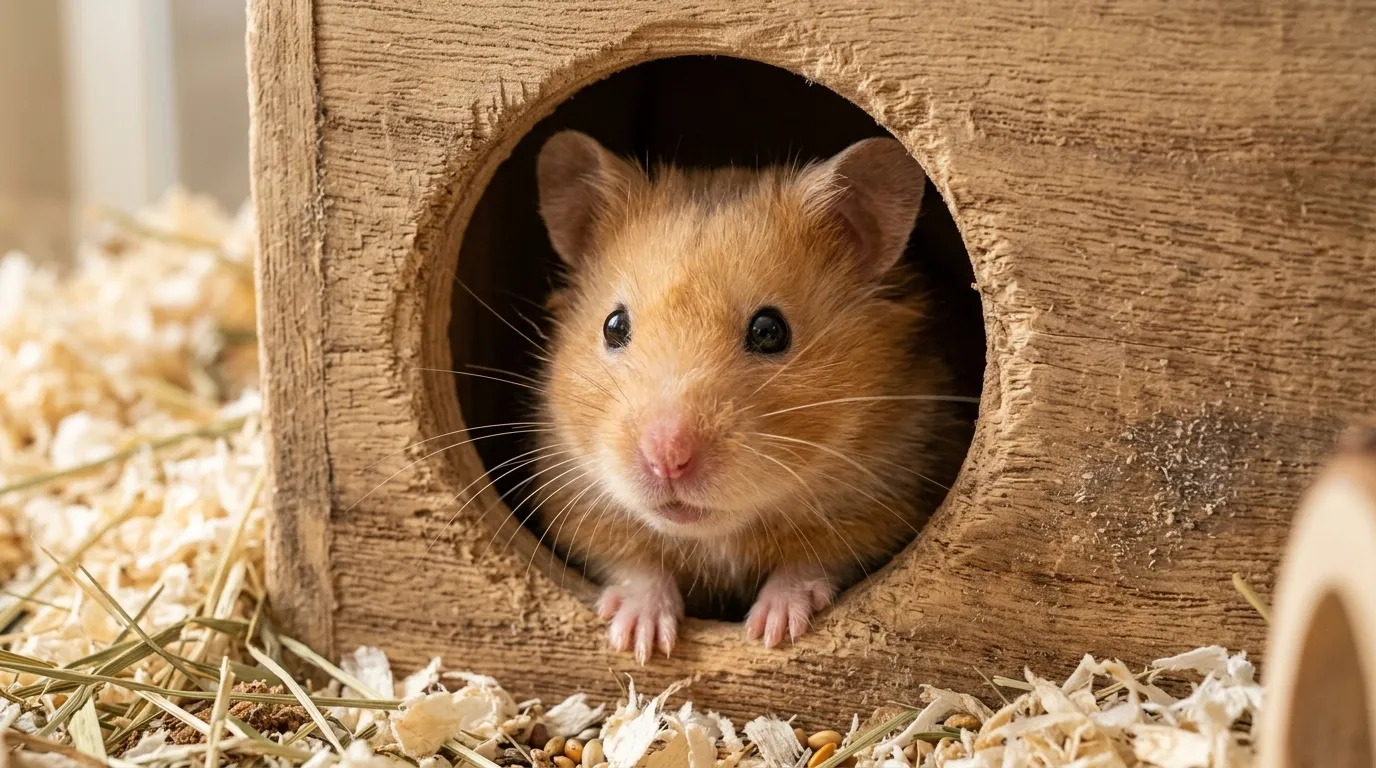
A hamster is a nocturnal species and needs an enclosed, dark shelter to hide and sleep in during the day. A fabric or enclosed-material nest house gives it that sense of security an open space in the cage doesn't offer. Measure in centimeters before buying: nominal sizing (S, M, L) varies between models.
Hamsters are nocturnal animals and, in the wild, dig burrows to sleep protected during the day. A cage with no enclosed shelter at all doesn’t meet that basic need, no matter how many toys or accessories it has.
Why it needs an enclosed shelter
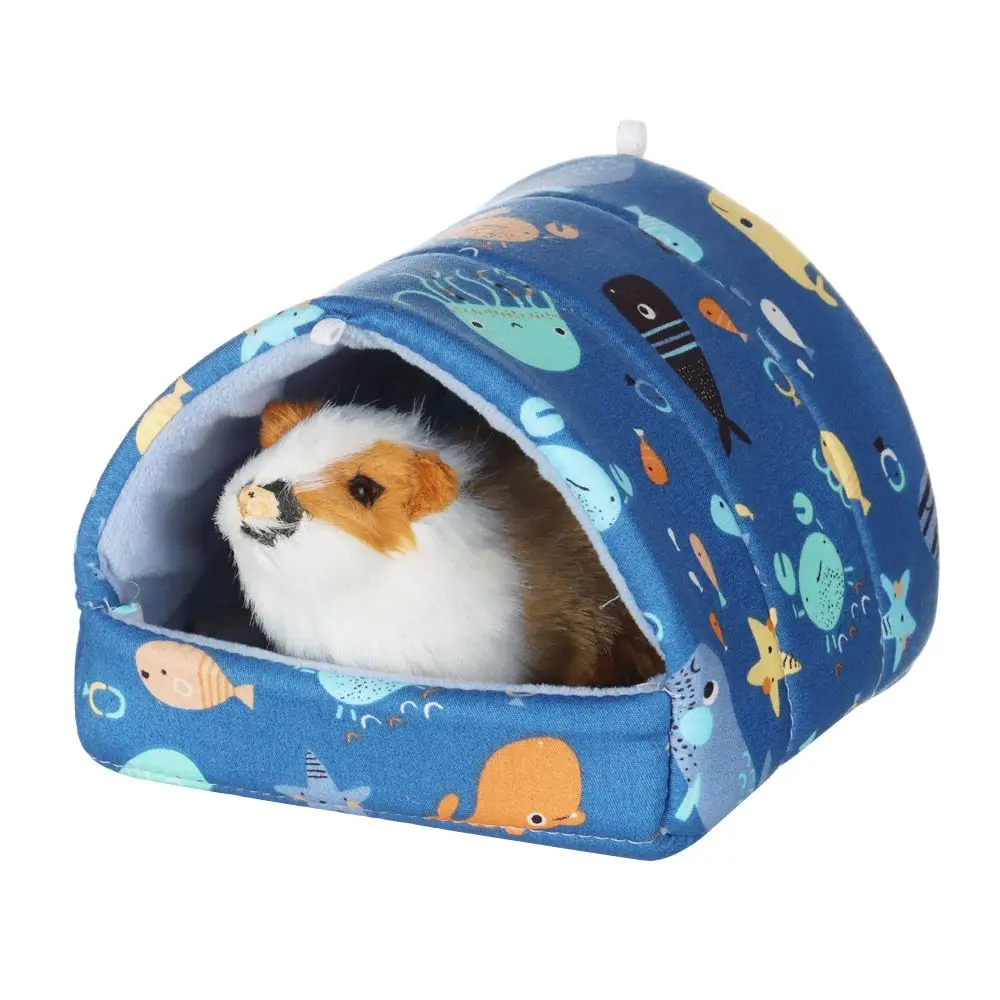
Soft mini house/nest for hamsters and small rodents
What to look for: A padded fabric igloo-shaped shelter, so the hamster or small rodent has an enclosed, warm place to hide and sleep. Measure the actual size before buying: several reviews report the size runs smaller than expected depending on the chosen color or model.
-
 View on AliExpress Ships internationally · checked on 2026-09-02
 -
 View on Mercado Libre Available in Chile · checked on 2026-08-27
An open space causes stress in an animal that instinctively seeks protection from predators during rest hours. A closed, dark nest house with a single entry opening gives it that sense of security that reduces the animal’s overall stress.
How to choose the right size
- Measure your hamster stretched out, not just its usual curled-up size.
- Add margin so it can turn around inside the shelter without being fully cramped.
- Check the centimeter measurements of that specific variant, not just the size category.
- Consider the material: fabric for easy washing, wood for more durability if your hamster chews a lot.
Where to place it in the cage
A quiet corner, away from the busiest or noisiest area, usually works better than the center of the cage. If your hamster doesn’t use a newly-bought house, try relocating it before assuming it dislikes the product itself.
Frequently asked questions
Why doesn't my hamster use the nest house I bought?
It could be too small, placed in too exposed a spot in the cage, or have a strong new-product smell. Try relocating it to a quieter corner.
Which material is better, fabric or wood?
Both work; fabric is easier to wash, wood holds up better to chewing. Choose based on how much your specific hamster chews.
How often does it need washing?
Depends on the material, but check that it doesn't build up odor or moisture. Fabric versions are usually machine-washable; confirm on the product listing.
Does it work for other small rodents besides hamsters?
Yes, many generic models also work for mice, gerbils, or young guinea pigs, as long as the size fits the species.