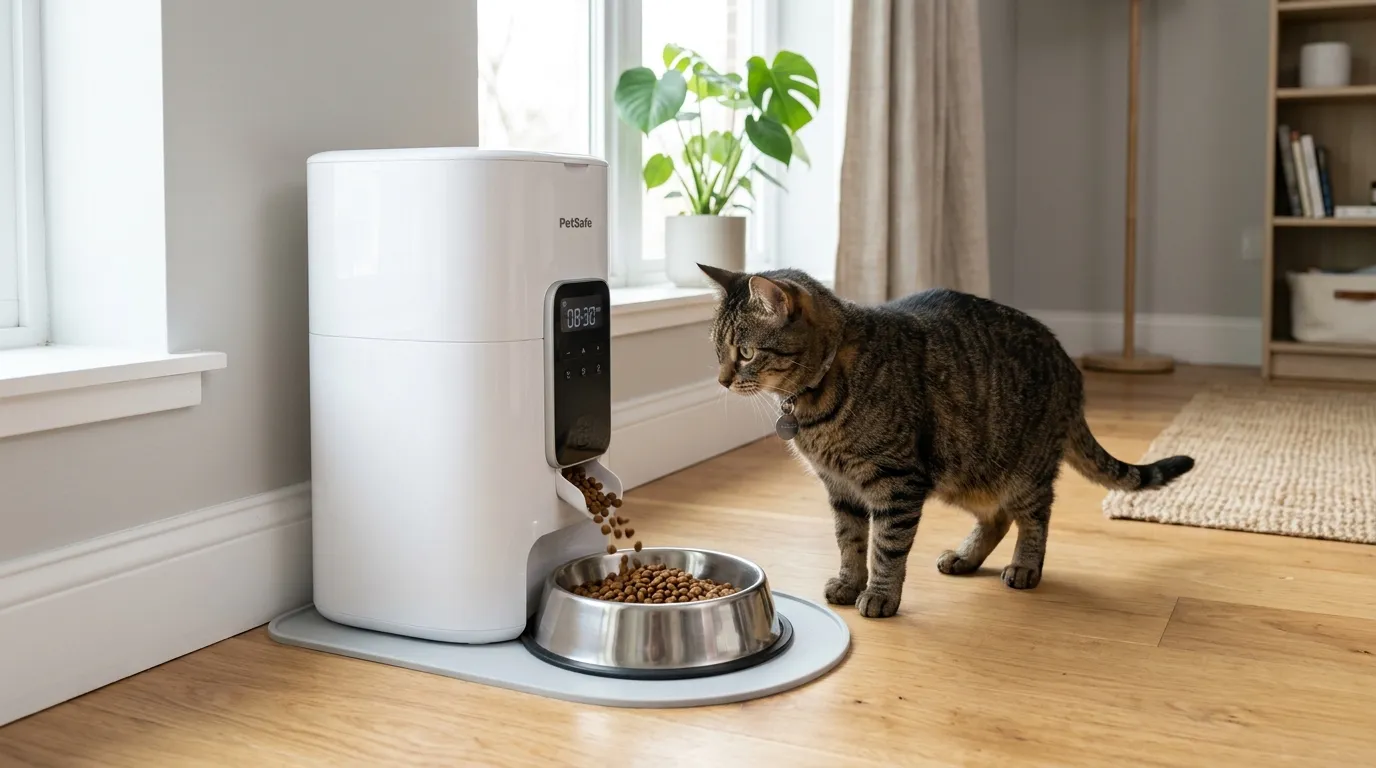
Automatic feeder with timer: what it's good for and what it isn't
A feeder with a timer helps keep fixed schedules during short absences, but it doesn't replace veterinary portion control for restricted diets.
Leer artículo
Practical content about care, daily life and choosing products for dogs, cats and other pets.




A feeder with a timer helps keep fixed schedules during short absences, but it doesn't replace veterinary portion control for restricted diets.
A waterproof cover protects the upholstery from scratches, hair, and mud, but it isn't a safety feature. What to check before buying one and why it doesn't replace restraining the dog.
Useful for paws and specific spots between full baths, not as a substitute for bathing. When to use them and what to avoid on sensitive skin.
The collar should always carry ID, but that doesn't automatically make it the best attachment point for the leash. When each one makes sense.
A hamster needs an enclosed shelter to hide and sleep in during the day. What to check in size and material before buying, and why centimeter measurements matter more than the nominal size.
A raincoat helps with light rain and wind, but traps moisture in dense coats if you don't dry your dog well once home. What to check before buying one.
Hay should be available without limit all day: it's the base of a rabbit's diet, not a side dish. How an elevated feeder helps keep it clean and accessible.
A cat needs to get used to the harness indoors before even thinking about going outside. How to make the transition without triggering rejection, and what to expect from the first walk.
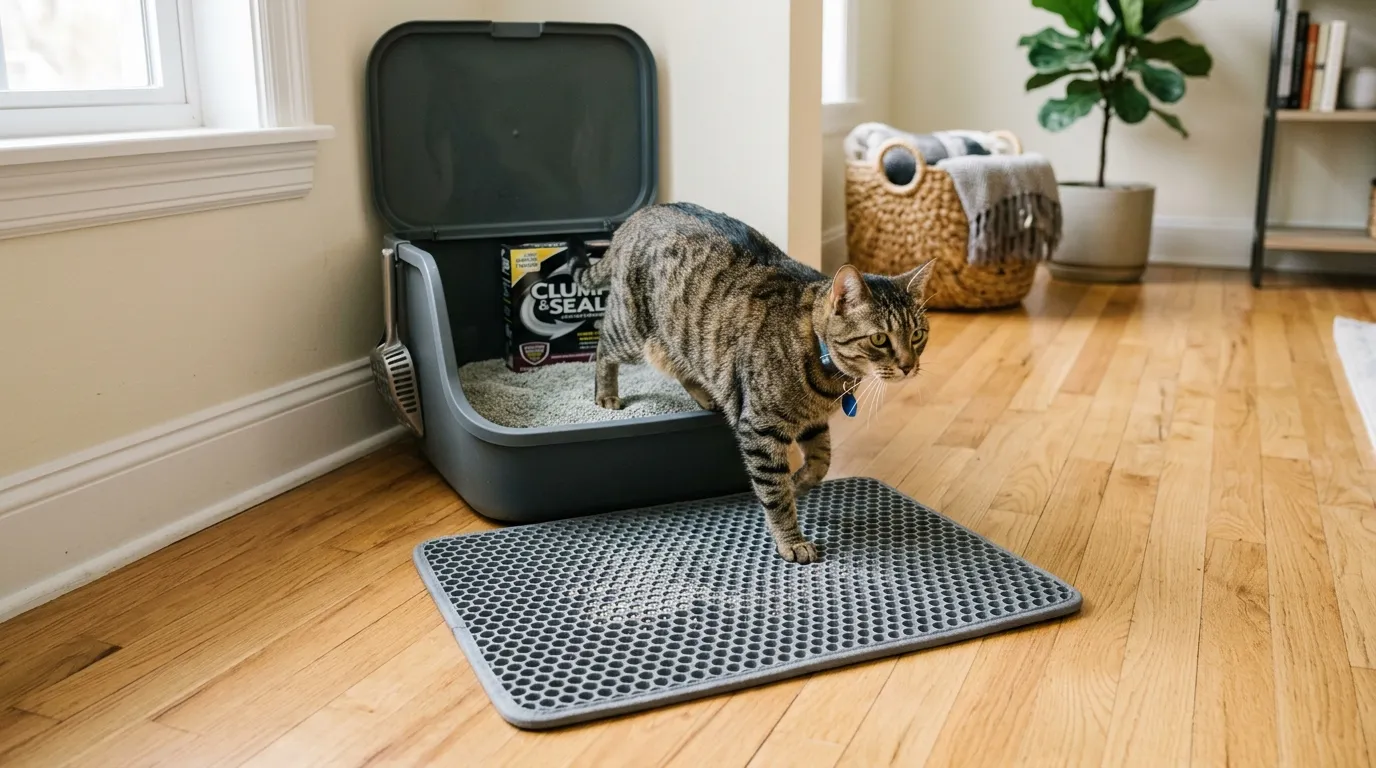
A double-layer mat reduces litter scattered outside the box, but doesn't eliminate daily cleaning. How to choose one and why placement matters as much as the mat itself.
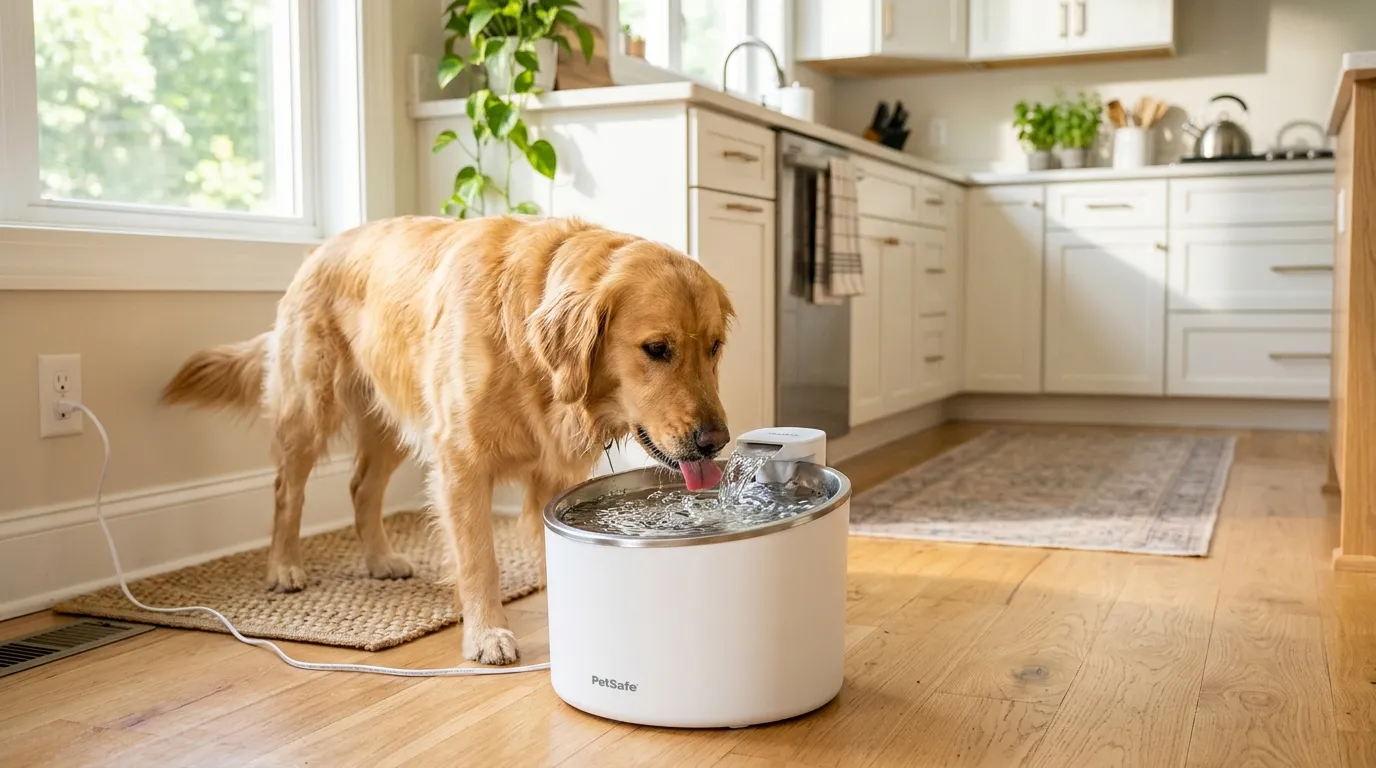
Releases filtered water only when it detects the pet nearby, instead of keeping it constantly exposed to air. What to check before buying one and why the sensor needs regular cleaning.
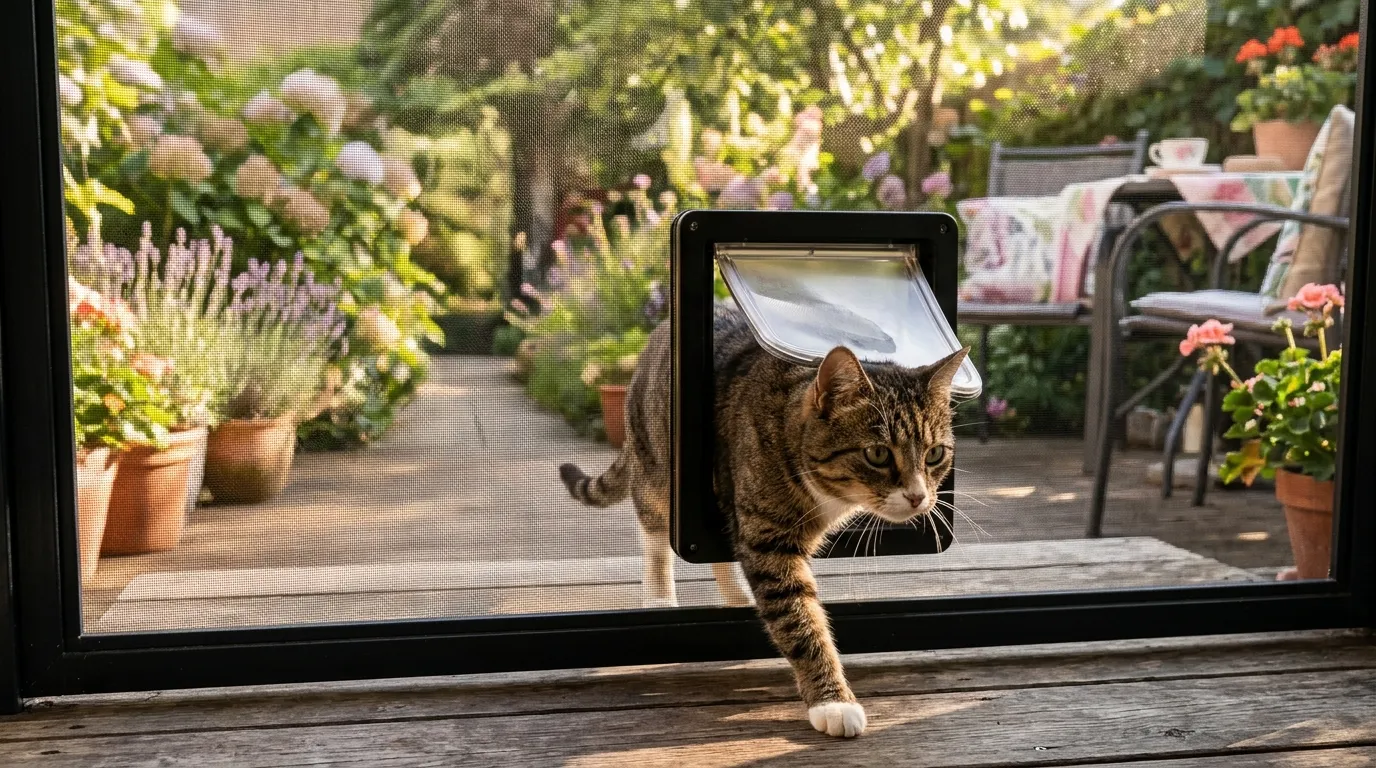
A flap door with mesh lets the cat pass through without leaving the whole opening available to escape. What to check in the frame before installing it.
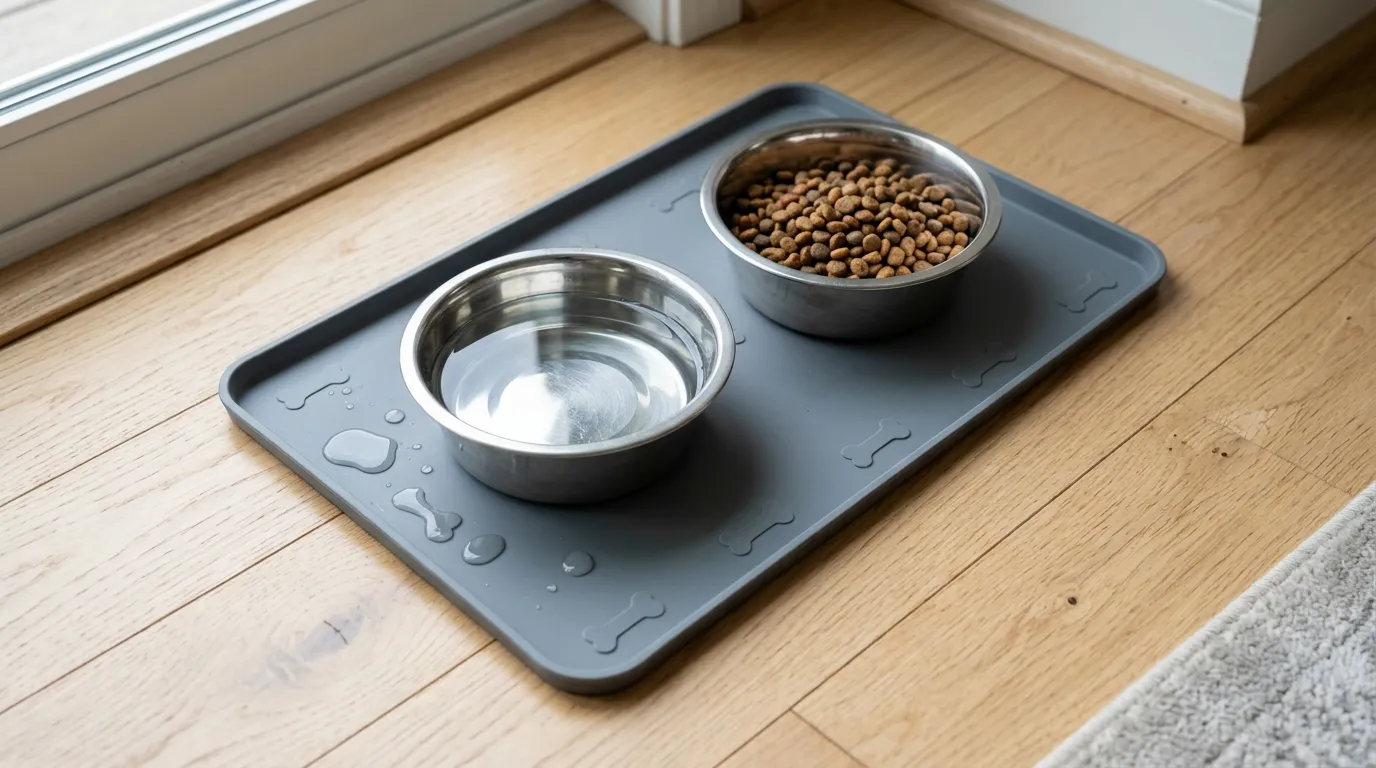
A silicone mat with raised edges contains the water and wet food that spills around the bowl. What to check before buying one and why it isn't always non-slip.
A brush with a water sprayer dampens the coat while brushing, helping loosen shed hair without a bath. It doesn't replace the right brush for double coats or regular bathing.
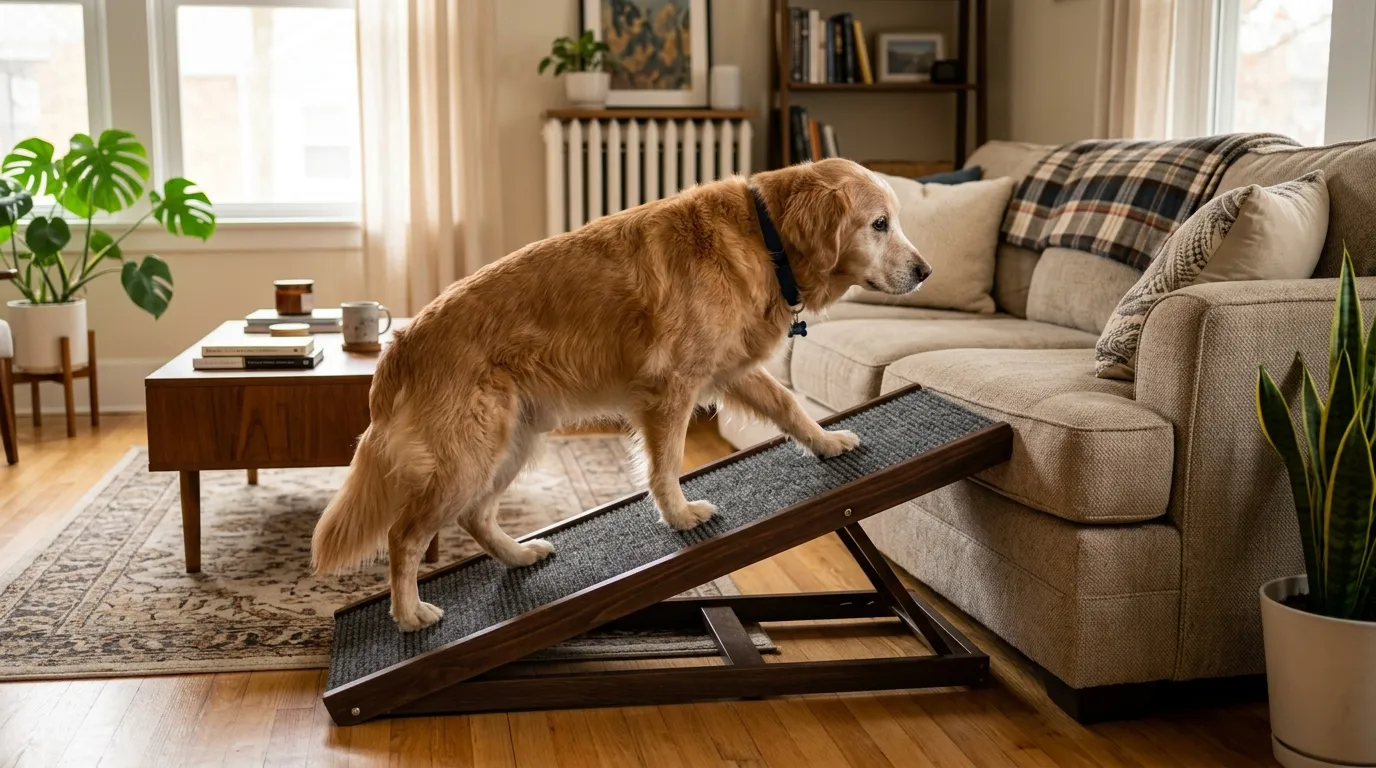
Repeatedly jumping onto the sofa or bed wears down joints over time. When a ramp makes sense, what to check before buying one, and how to teach your dog to use it.
A toy that releases treats when moved keeps a dog occupied alone, but not every model survives a strong chewer. How to choose one and what to check in reviews before buying.
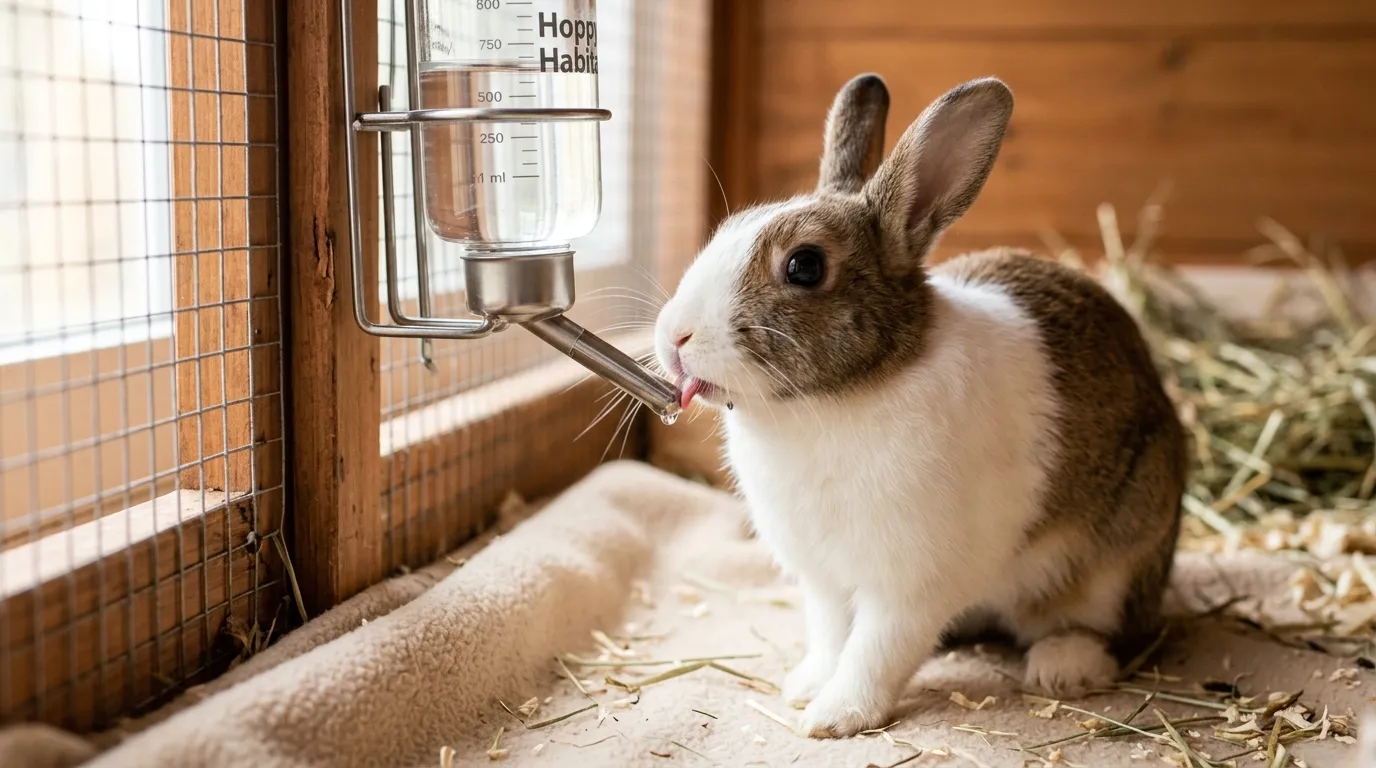
A ball-valve bottle keeps water free of bedding and food, something an open bowl can't manage. How to check the valve works before trusting it.
A retractable leash gives freedom in open spaces but doesn't control well near traffic. When each type makes sense, and why it's a matter of context, not preference.
The most repeated complaint about dog beds is that they arrive smaller than expected. How to measure your dog curled up, not standing, and what else matters besides size.
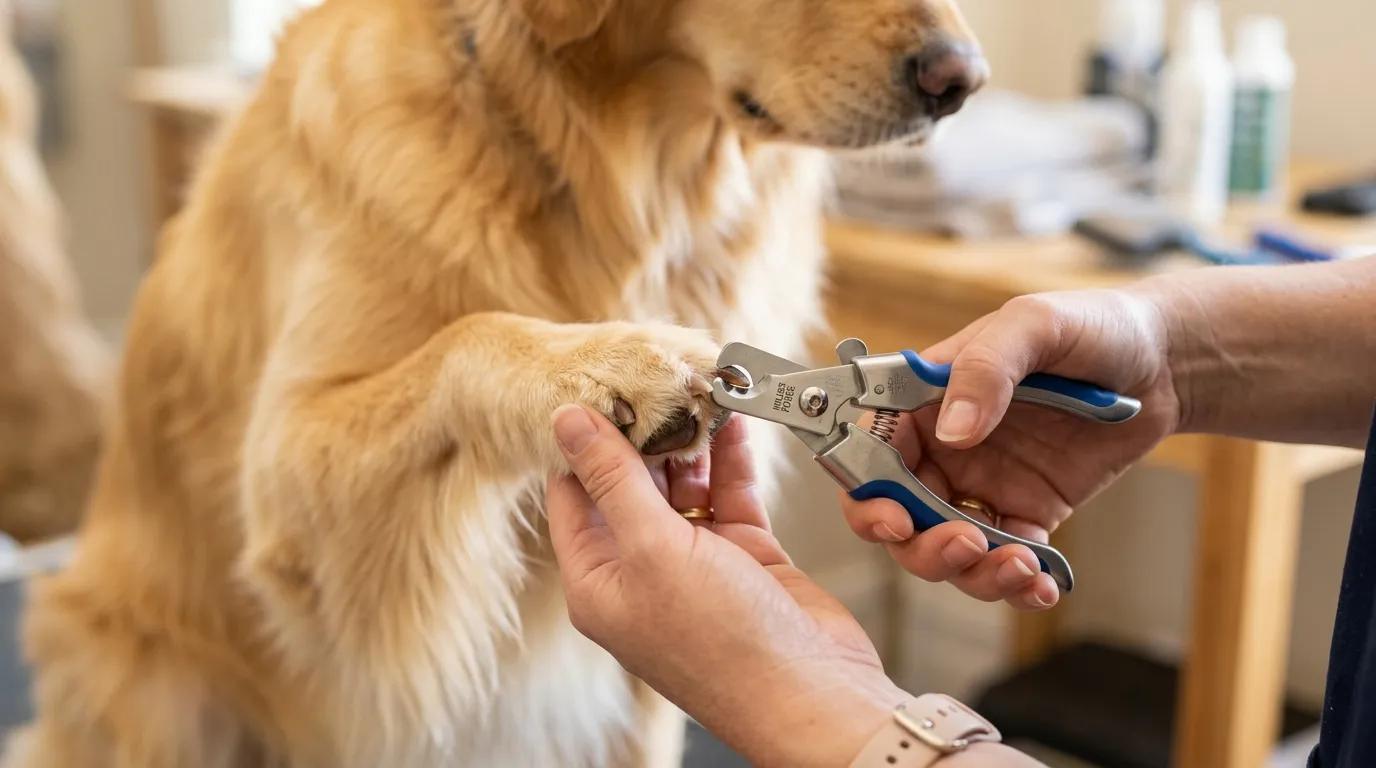
The most common mistake is cutting too close to the quick, the blood vessel line inside the nail. How to spot it, which tool to use, and what to do if it bleeds anyway.
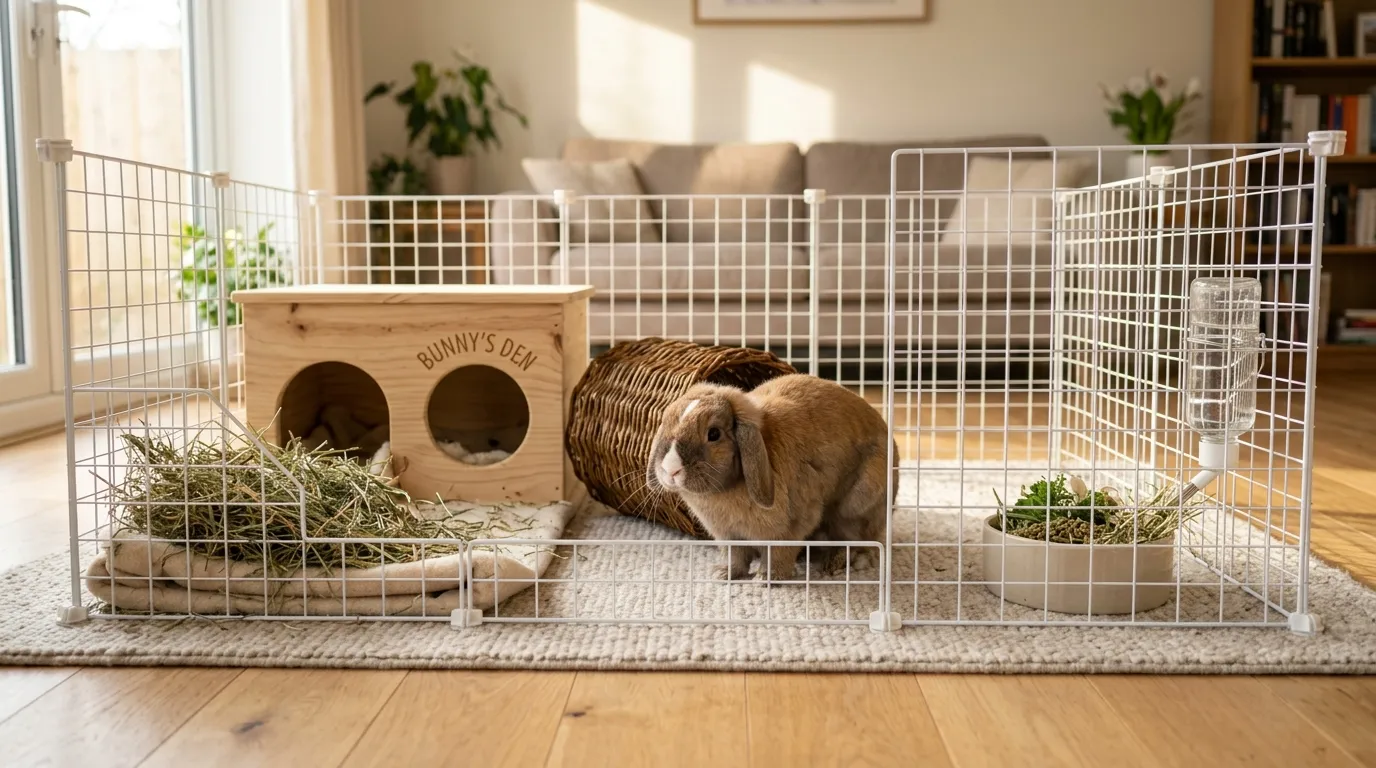
A rabbit needs to come out of its cage daily to stretch and explore. How to use a foldable playpen as a temporary safe space, and what electrical hazards to check before letting it loose.
A cat needs height, not square meters. How to use wall shelves to gain vertical space without giving up floor room, and what to check before anchoring anything to a wall.
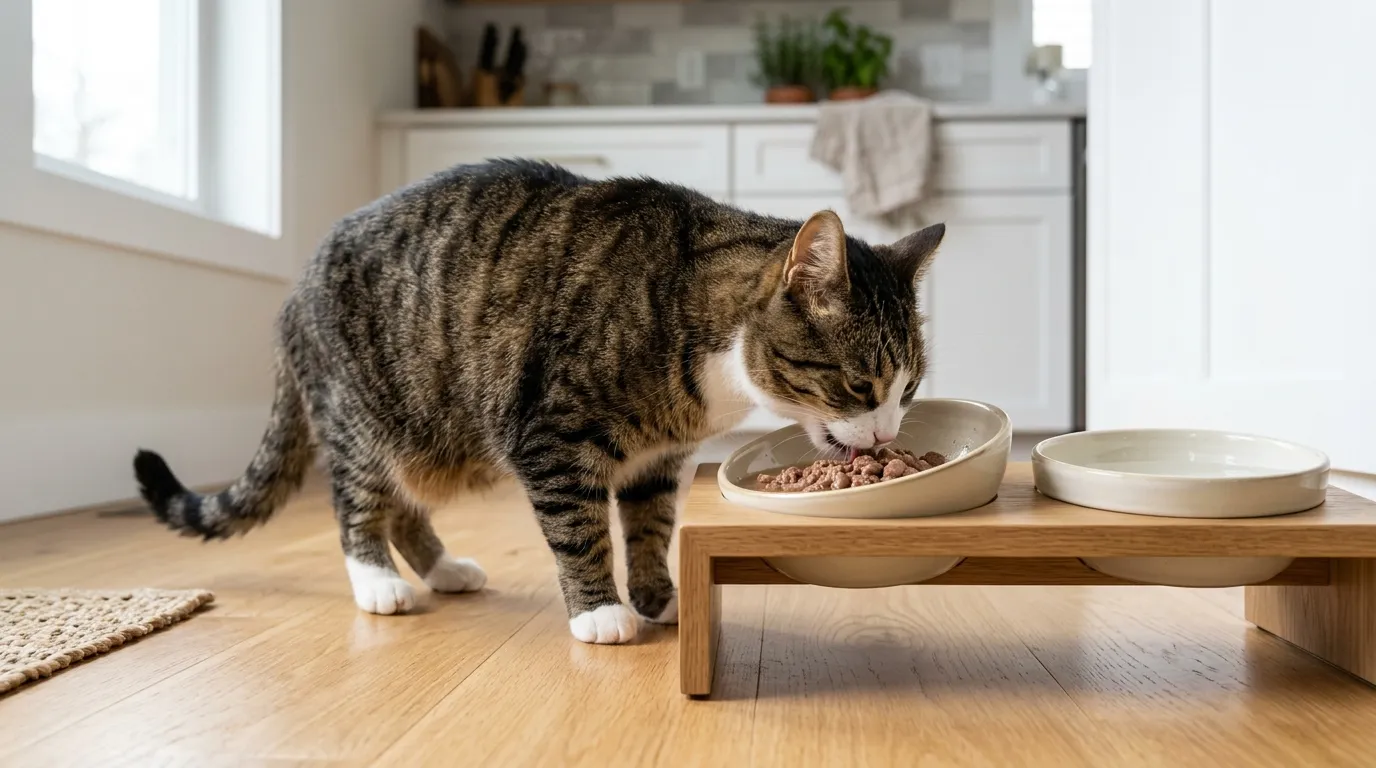
Eating from a low bowl presses the whiskers against its walls, which some cats avoid by eating only around the rim. How an elevated feeder changes that, and what to check before buying one.
A laser pointer gives nothing to actually bite at the end, and that can frustrate a cat. How wand play completes the hunting sequence, and why it's worth rotating with other stimuli.
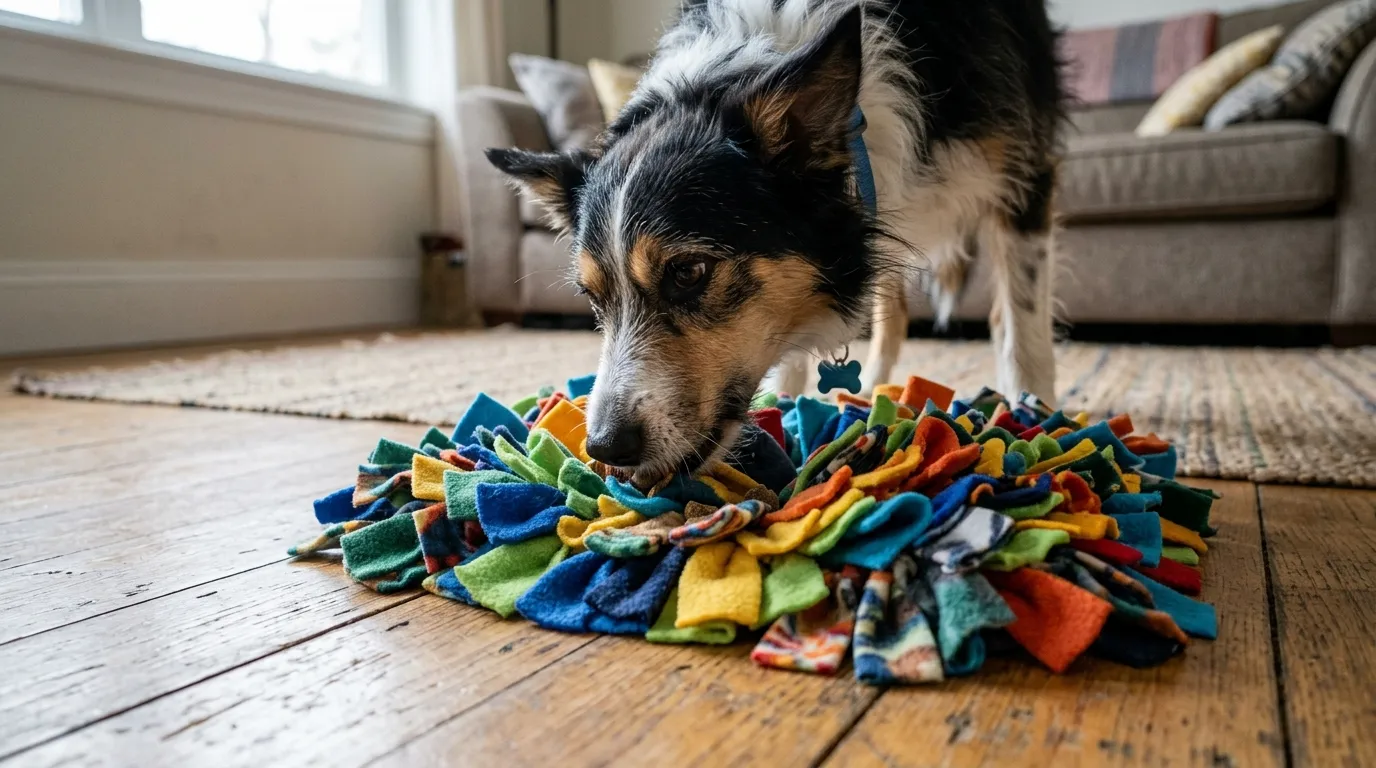
Nose work tires a dog out mentally faster than a long walk. What a snuffle mat is, how to start without frustrating the dog, and signs it's time to lower the difficulty.
High-rise syndrome in cats is real and more common than it seems. Why higher floors aren't safer, and how to actually secure windows and balconies.
The same brush does not work for every coat. Frequency, technique and which tool to use for short, long, double or curly coats, in both dogs and cats.
An unrestrained dog in the car is a mass that goes flying in a hard brake. Restraint options, how to get your dog used to one, and what to avoid on the road.
Most carrier struggles are about the carrier, not the cat. Size, opening style, and how to get your cat used to it before you need it in a hurry.
Scratching isn't bad behaviour: it's a physical need with three separate functions. Why the sofa wins, where to place a scratching post, and how to pick one your cat will prefer.
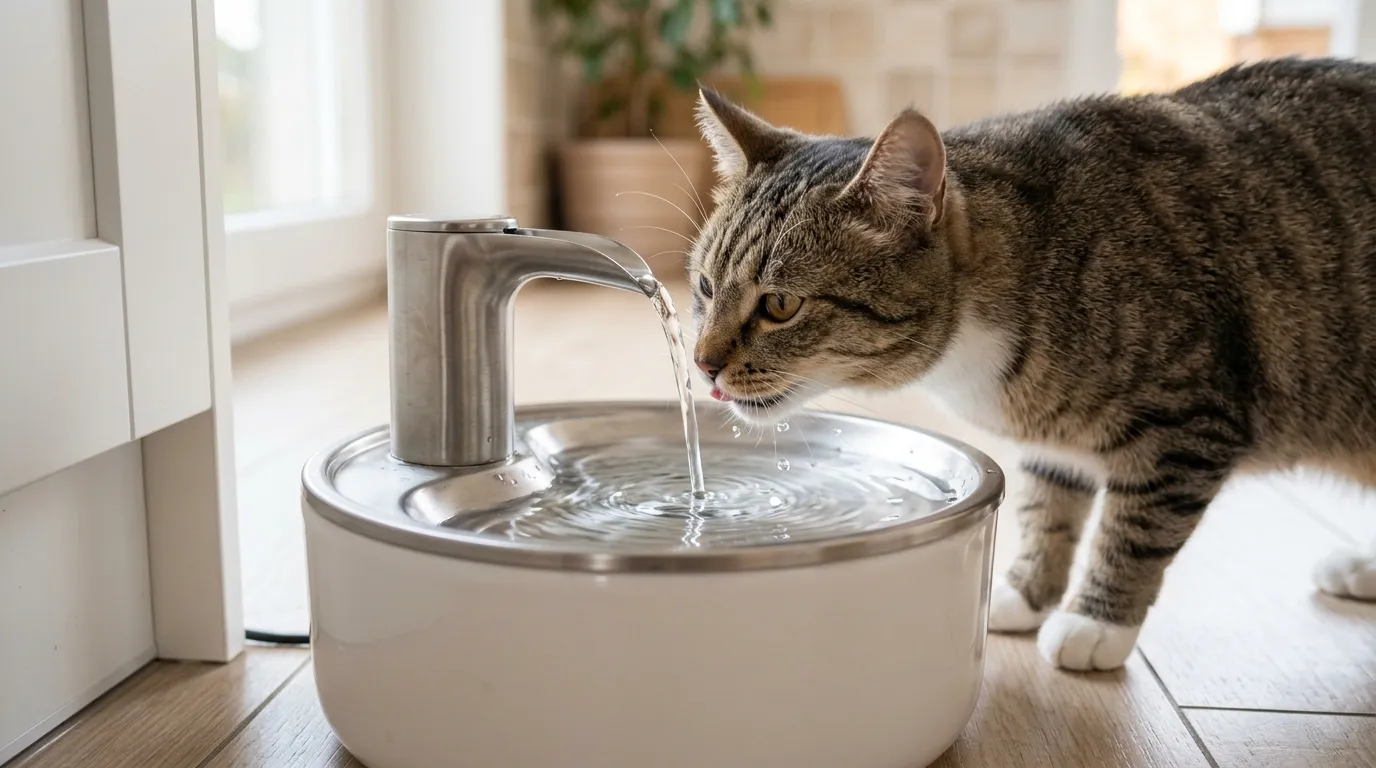
Cats evolved to get most of their hydration from prey, not from a bowl. Signs of low intake, why still water puts them off, and how to pick a fountain they will actually use.
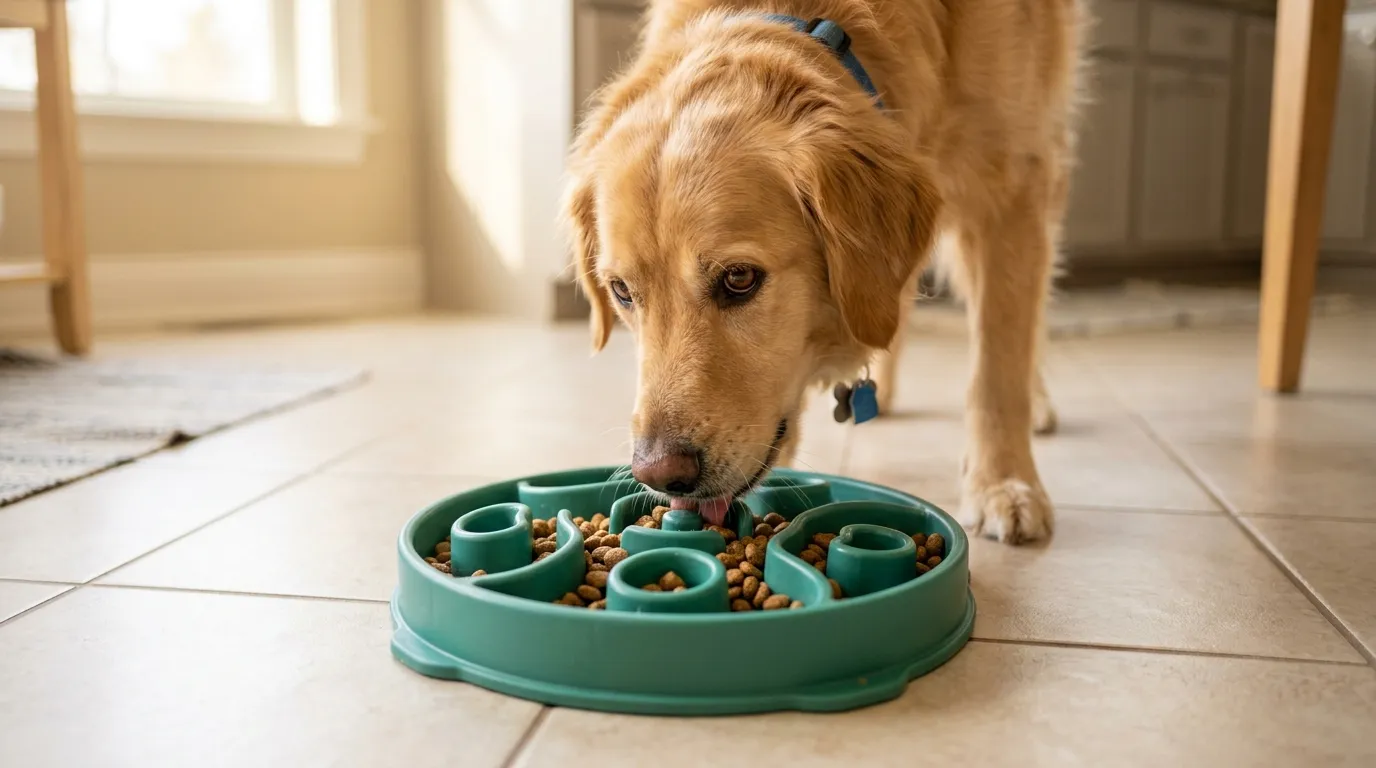
Emptying the bowl in seconds is not enthusiasm: it is a habit with real risks. Causes, warning signs, and how to pick a slow feeder that works.
The three measurements you need, how to take them properly, what to do when your dog falls between two sizes, and how to check the fit with the two-finger rule.