Car seat cover for dogs: what it protects and what it doesn't
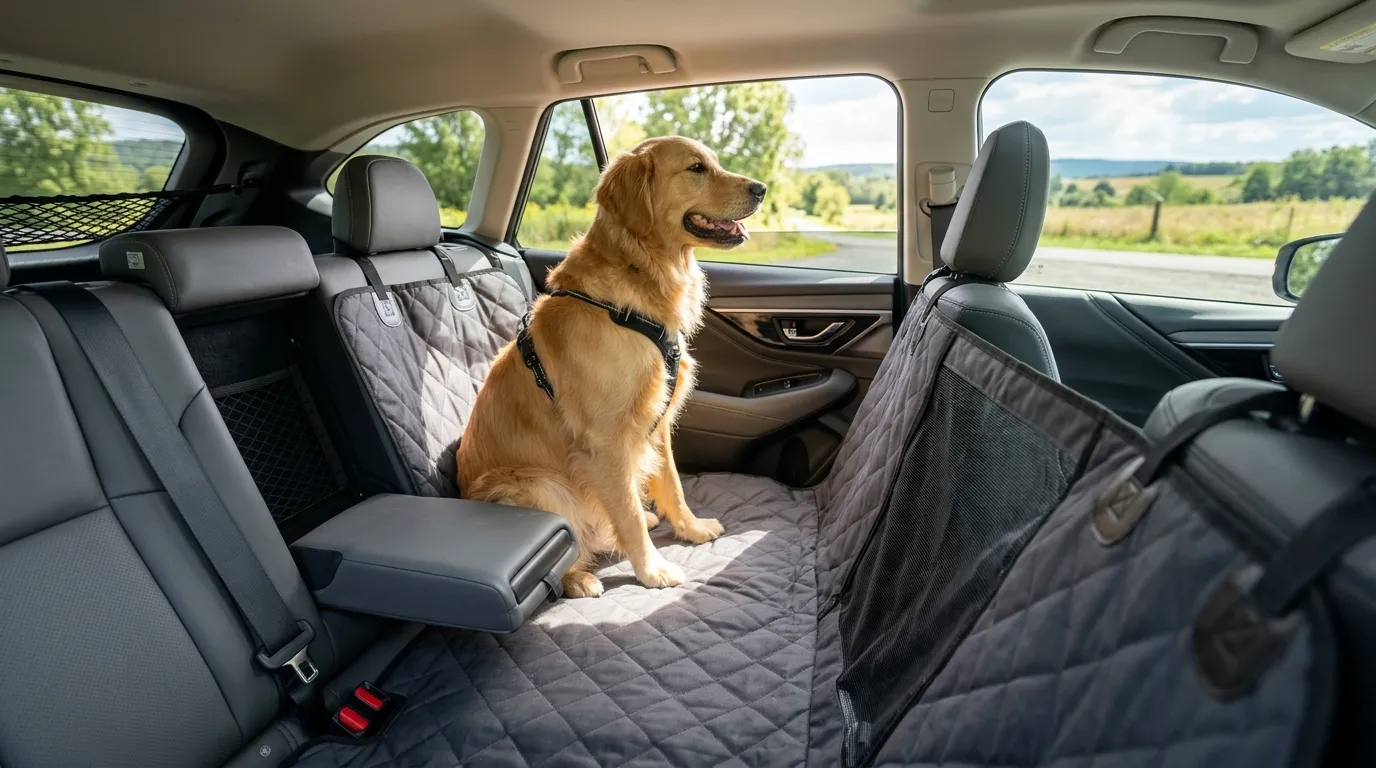
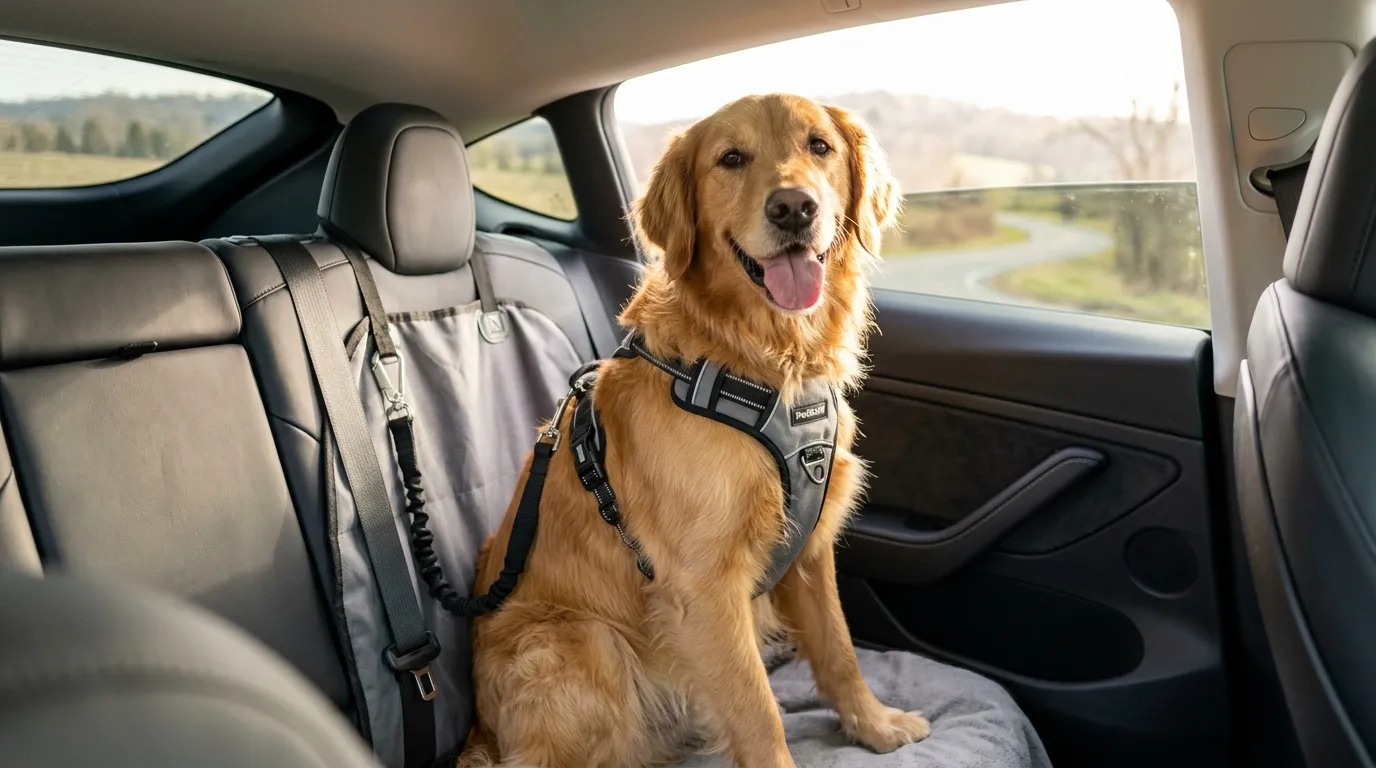
A waterproof cover protects the upholstery from scratches, hair, and mud, but it isn't a safety feature. What to check before buying one and why it doesn't replace restraining the dog.
Walking, home, travel, grooming and enrichment for dogs. Criteria before brands, and plenty of content where the answer is to buy nothing at all.
Nearly every purchase people regret has the same cause: a product was chosen before the problem was defined. A “no-pull” harness does not fix a dog that pulls, a large bed is useless if your dog sleeps curled against a wall, and a cheap carrier stops being cheap when it does not fit in the car.
In this section we always start from the same place: what problem you are solving, in what space, with what dog. Products come afterwards, and only the ones that survive those criteria.
Each topic below groups articles that link to each other. A good share of them mention no product at all: routines, warning signs, and things worth understanding before spending money.
We do not publish “top 10 best” rankings. We do not recommend prong, shock or choke collars. We do not give dosages, diagnoses or therapeutic promises. And when the right answer is “you do not need to buy anything”, we say so.
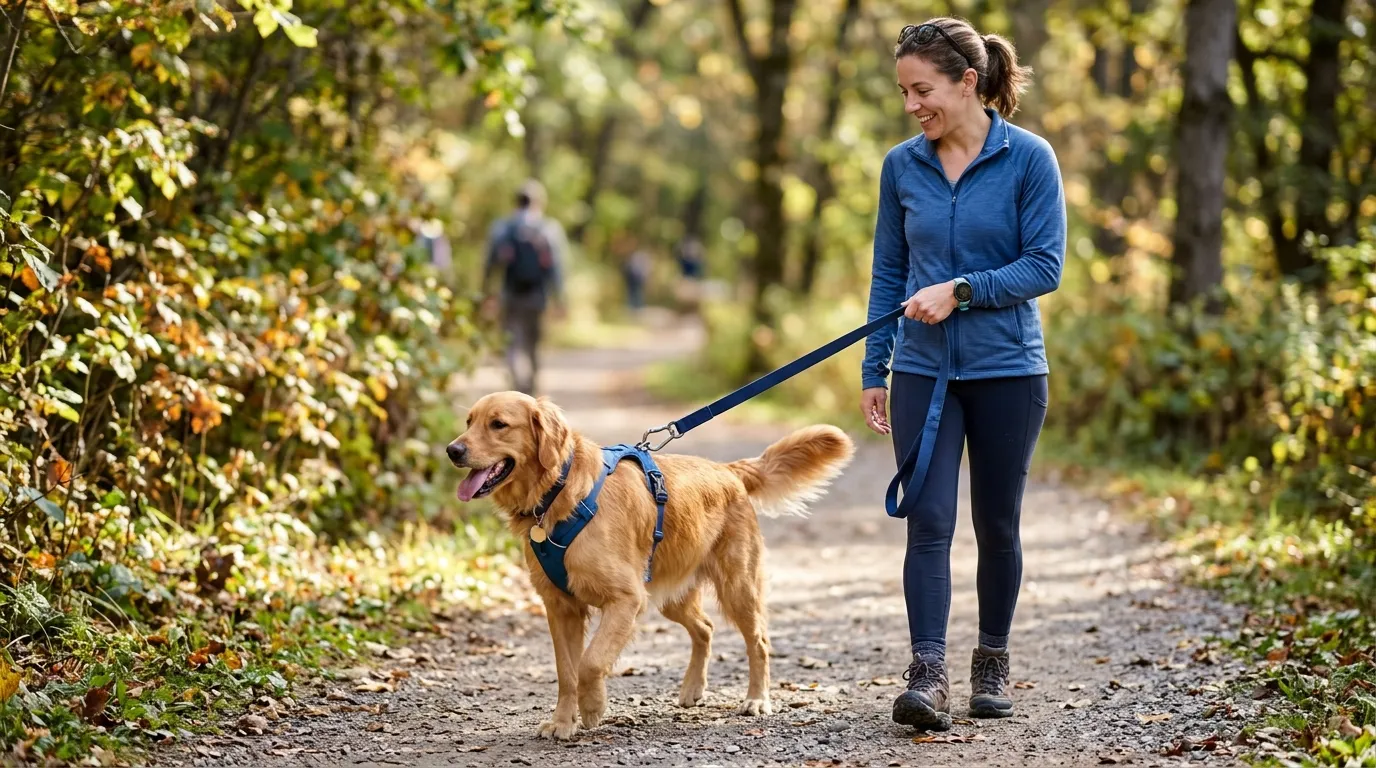
Harnesses, leads, collars and bags. The decision starts with how your dog walks, not with the model.
Rest, bowls, routines and managing space. What rules here is the real size of your home.
Carriers, car restraint and preparation. Measurements and safety before comfort.
Play, scent work and stimulation. Why many behaviour problems are not solved by buying anything.
Brushing, nails and bathing by coat type, with what you can do at home and what you cannot.
A waterproof cover protects the upholstery from scratches, hair, and mud, but it isn't a safety feature. What to check before buying one and why it doesn't replace restraining the dog.
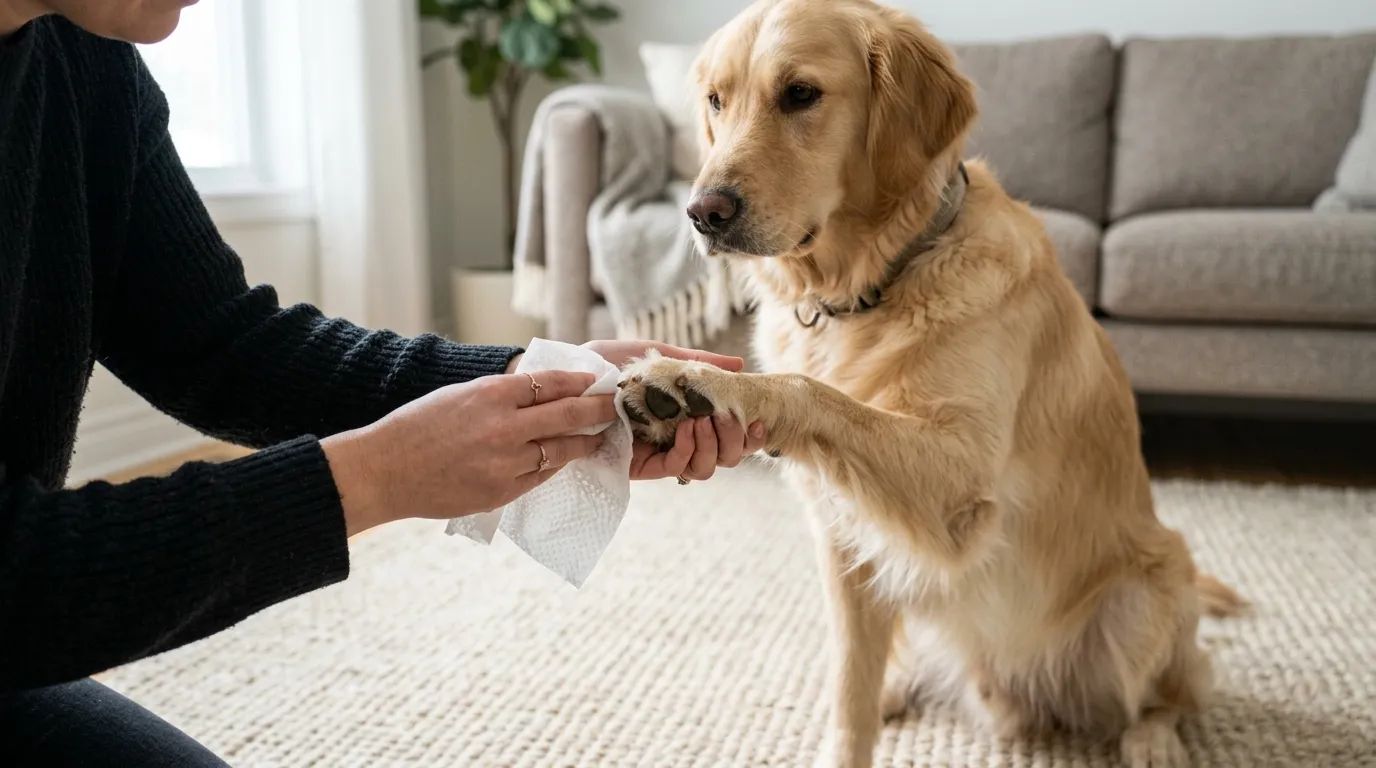
Useful for paws and specific spots between full baths, not as a substitute for bathing. When to use them and what to avoid on sensitive skin.
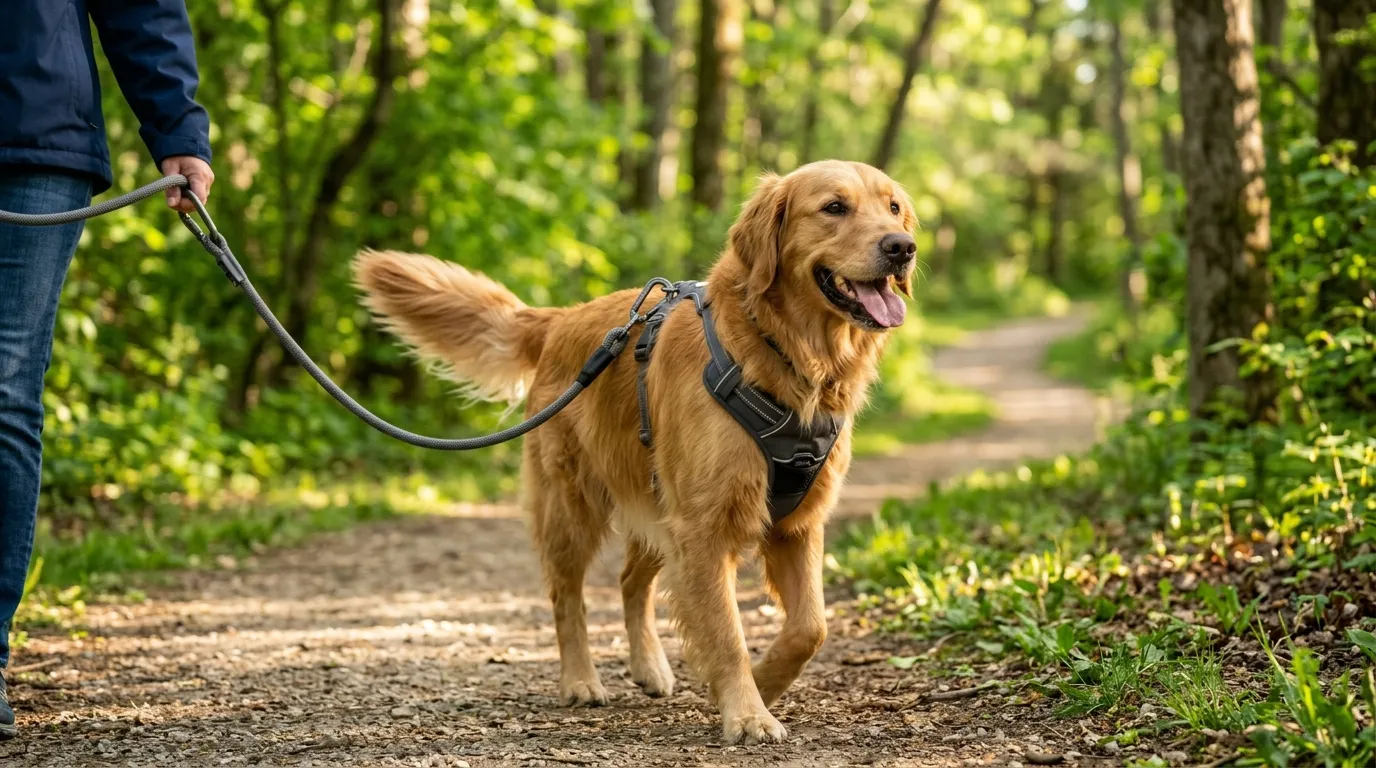
The collar should always carry ID, but that doesn't automatically make it the best attachment point for the leash. When each one makes sense.
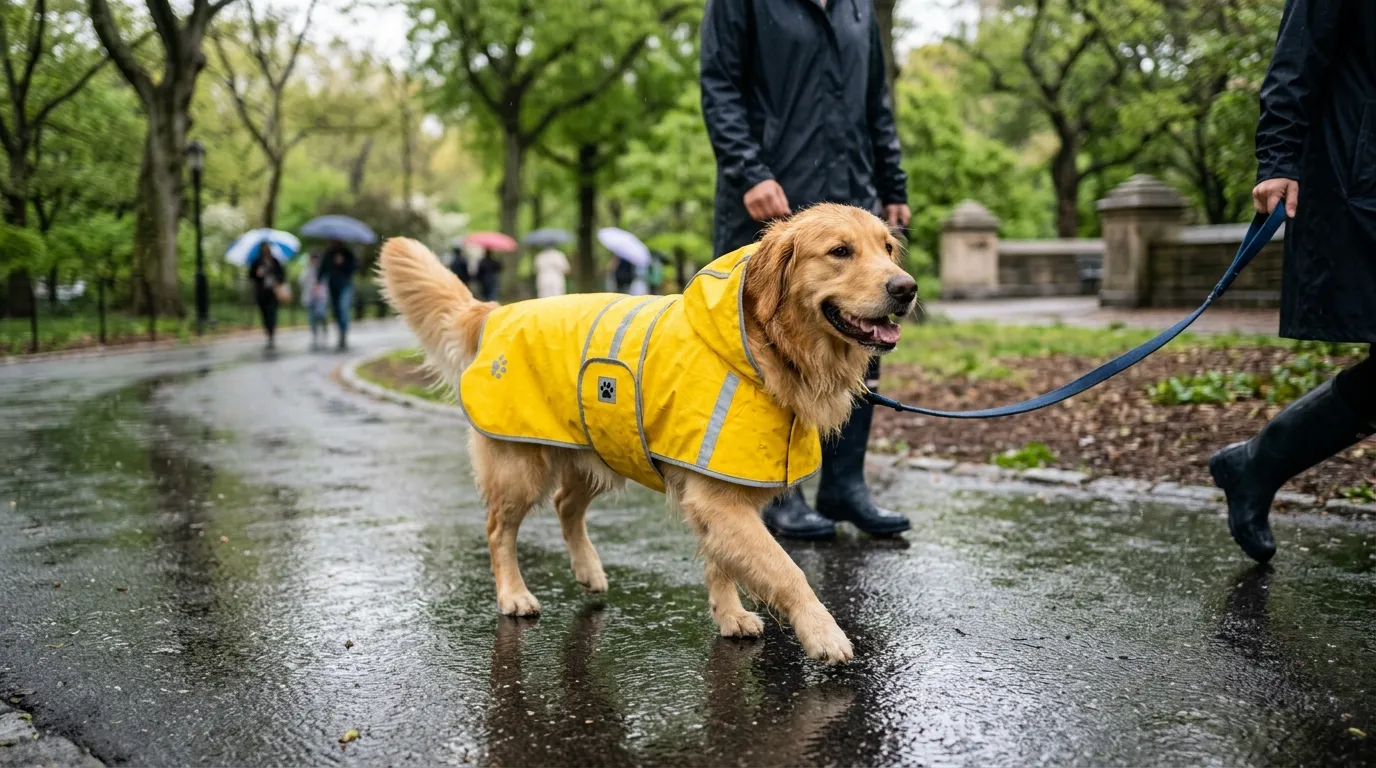
A raincoat helps with light rain and wind, but traps moisture in dense coats if you don't dry your dog well once home. What to check before buying one.
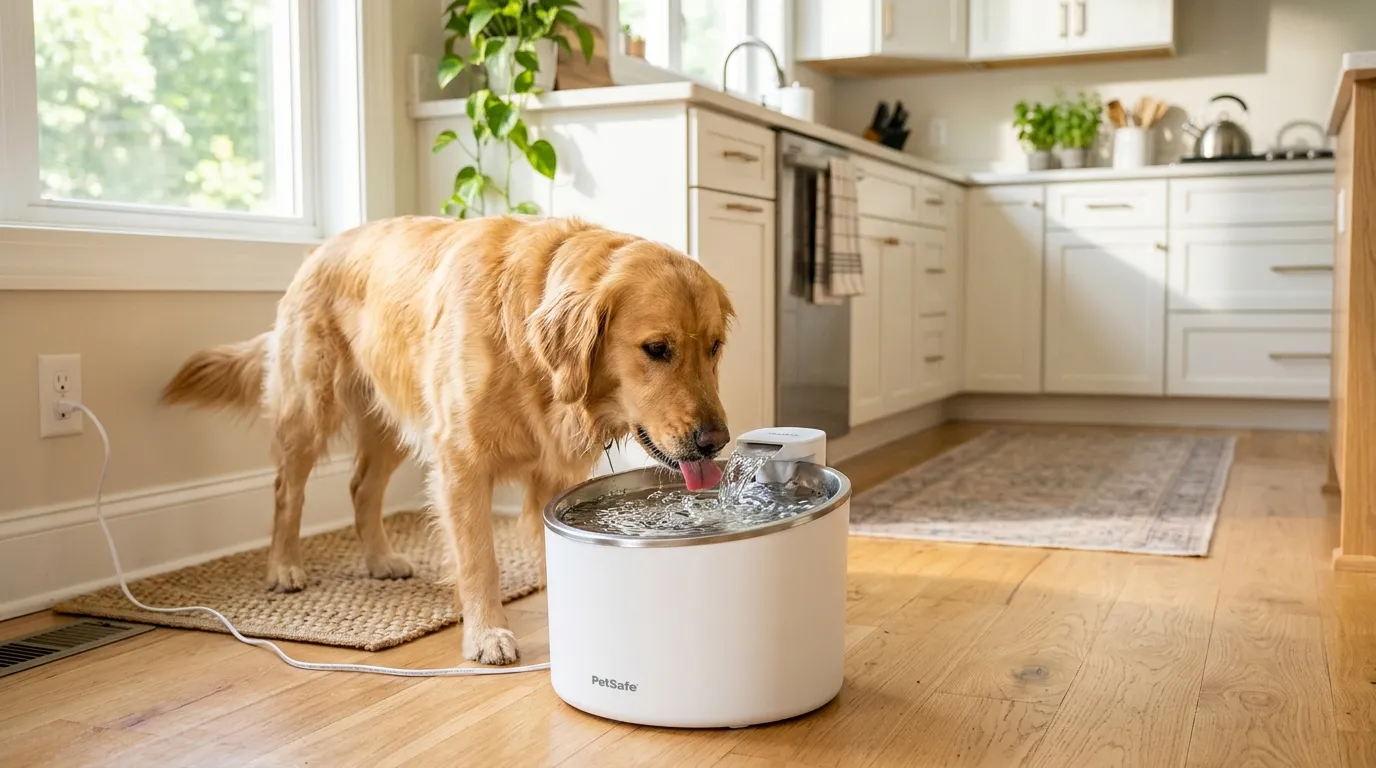
Releases filtered water only when it detects the pet nearby, instead of keeping it constantly exposed to air. What to check before buying one and why the sensor needs regular cleaning.
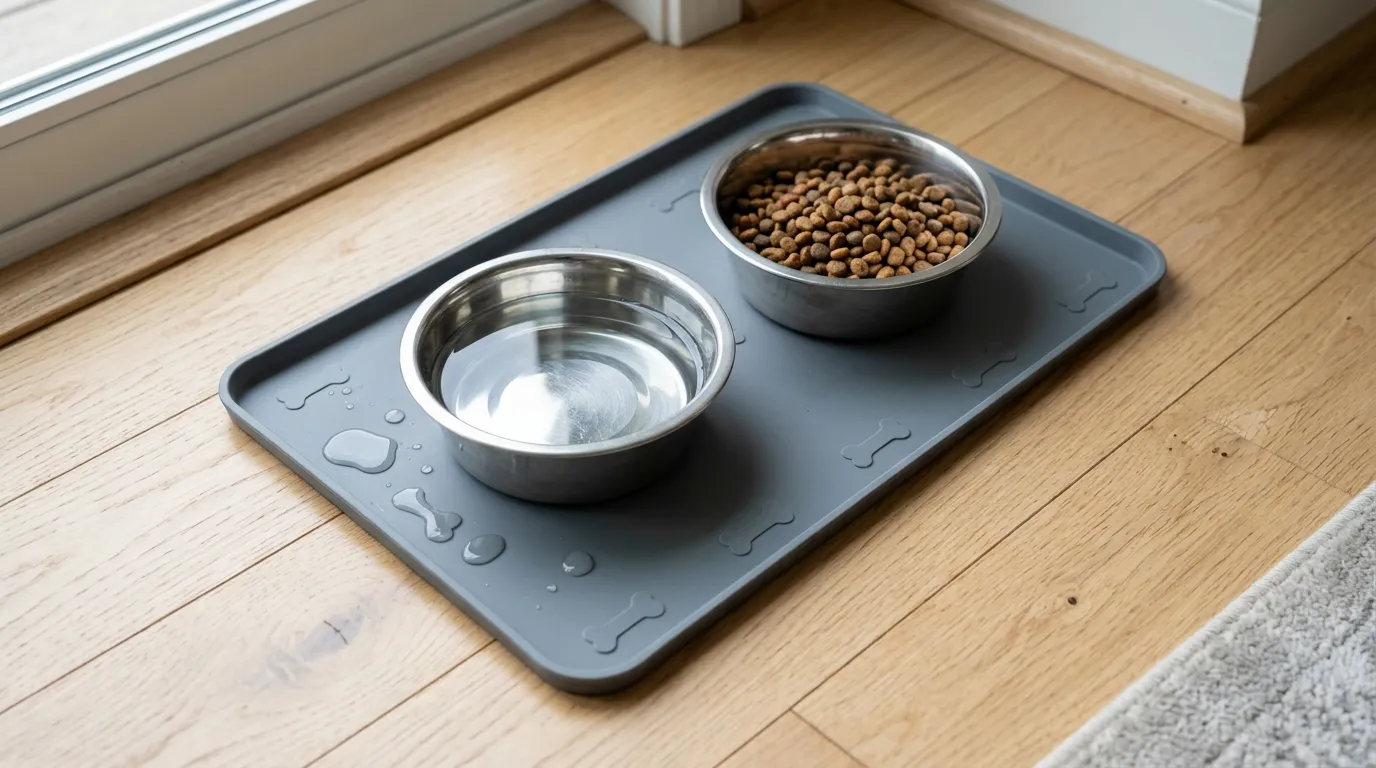
A silicone mat with raised edges contains the water and wet food that spills around the bowl. What to check before buying one and why it isn't always non-slip.
A brush with a water sprayer dampens the coat while brushing, helping loosen shed hair without a bath. It doesn't replace the right brush for double coats or regular bathing.
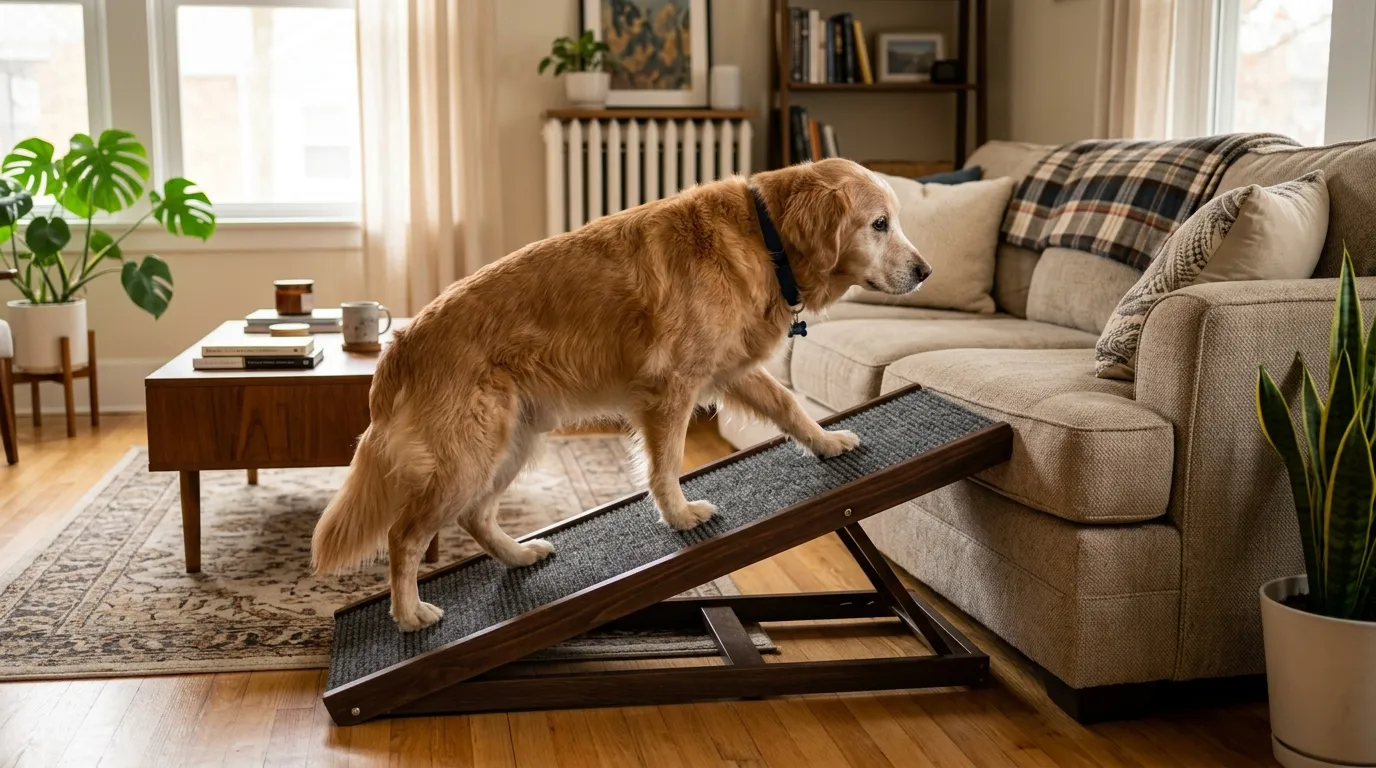
Repeatedly jumping onto the sofa or bed wears down joints over time. When a ramp makes sense, what to check before buying one, and how to teach your dog to use it.
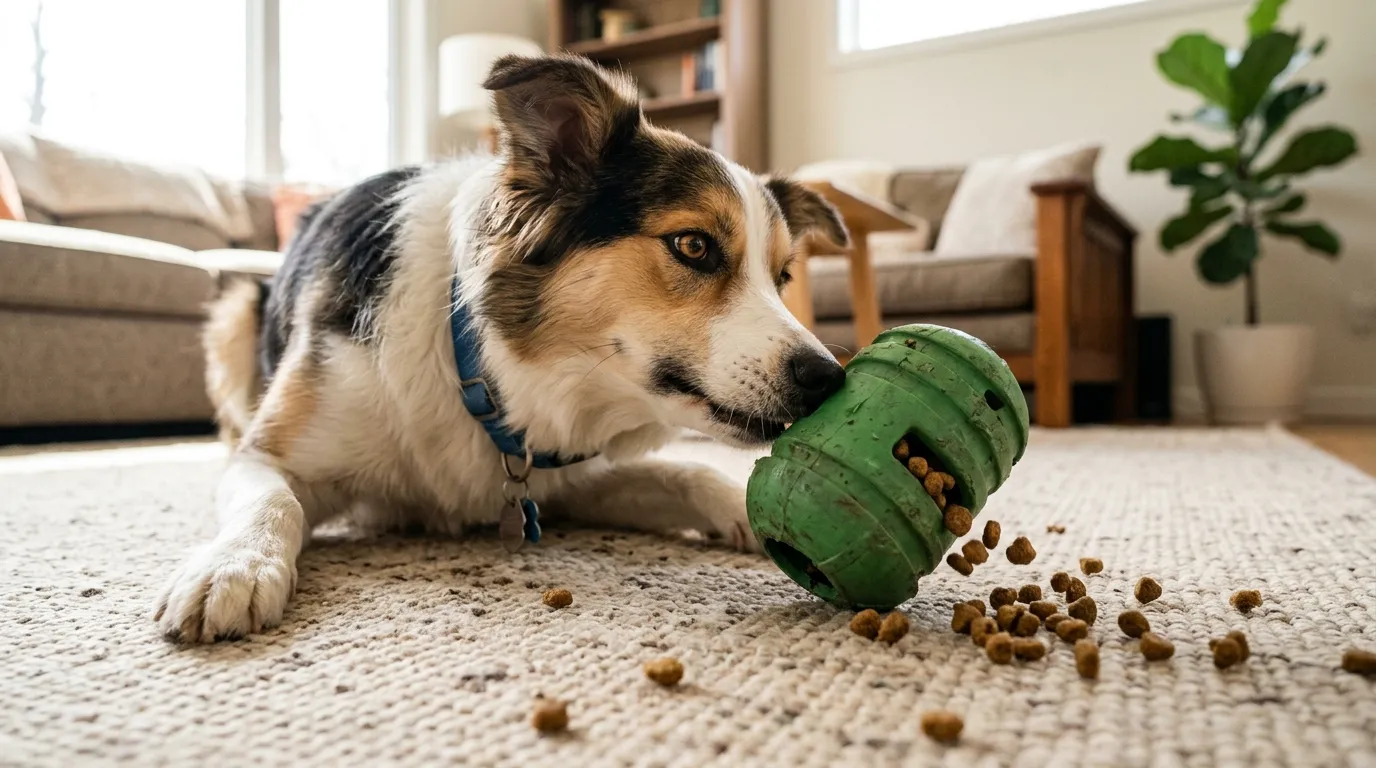
A toy that releases treats when moved keeps a dog occupied alone, but not every model survives a strong chewer. How to choose one and what to check in reviews before buying.
A retractable leash gives freedom in open spaces but doesn't control well near traffic. When each type makes sense, and why it's a matter of context, not preference.
The most repeated complaint about dog beds is that they arrive smaller than expected. How to measure your dog curled up, not standing, and what else matters besides size.
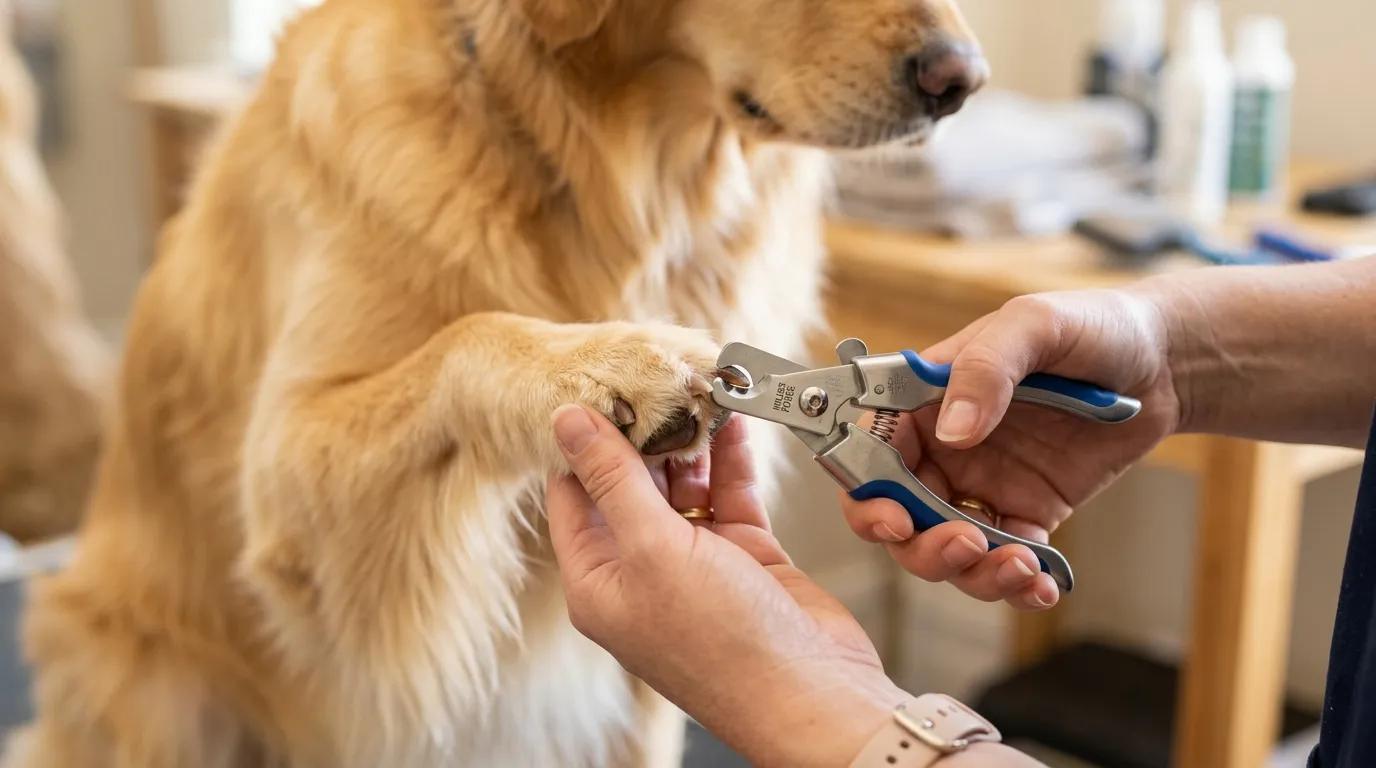
The most common mistake is cutting too close to the quick, the blood vessel line inside the nail. How to spot it, which tool to use, and what to do if it bleeds anyway.
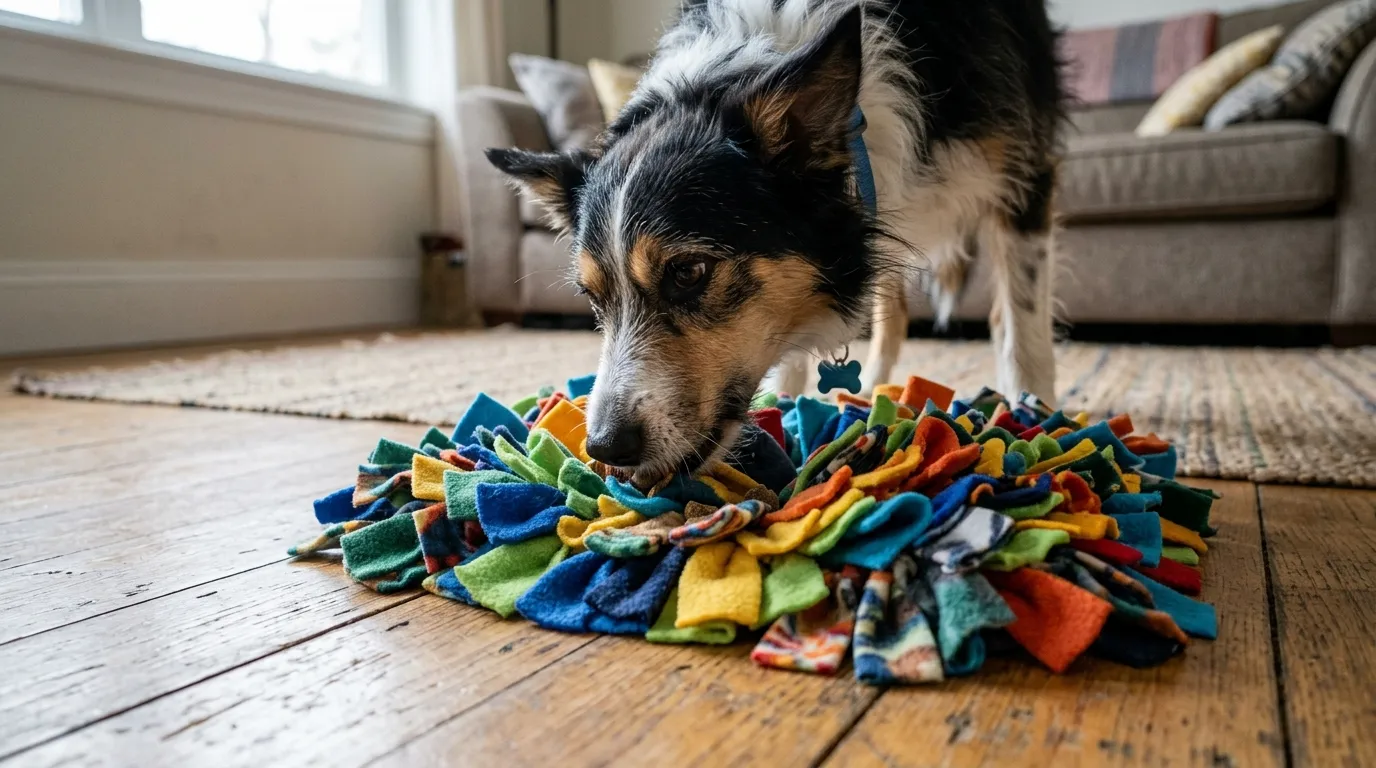
Nose work tires a dog out mentally faster than a long walk. What a snuffle mat is, how to start without frustrating the dog, and signs it's time to lower the difficulty.
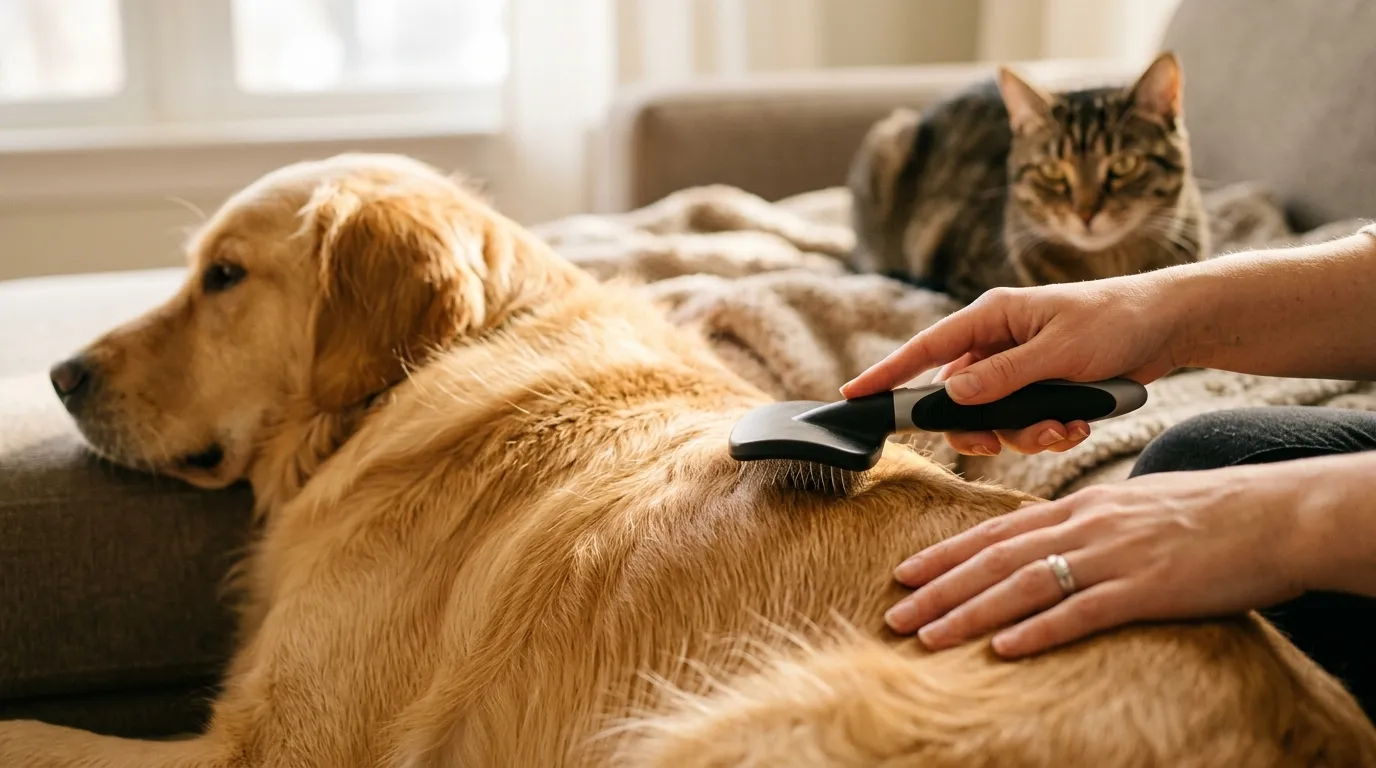
The same brush does not work for every coat. Frequency, technique and which tool to use for short, long, double or curly coats, in both dogs and cats.
An unrestrained dog in the car is a mass that goes flying in a hard brake. Restraint options, how to get your dog used to one, and what to avoid on the road.
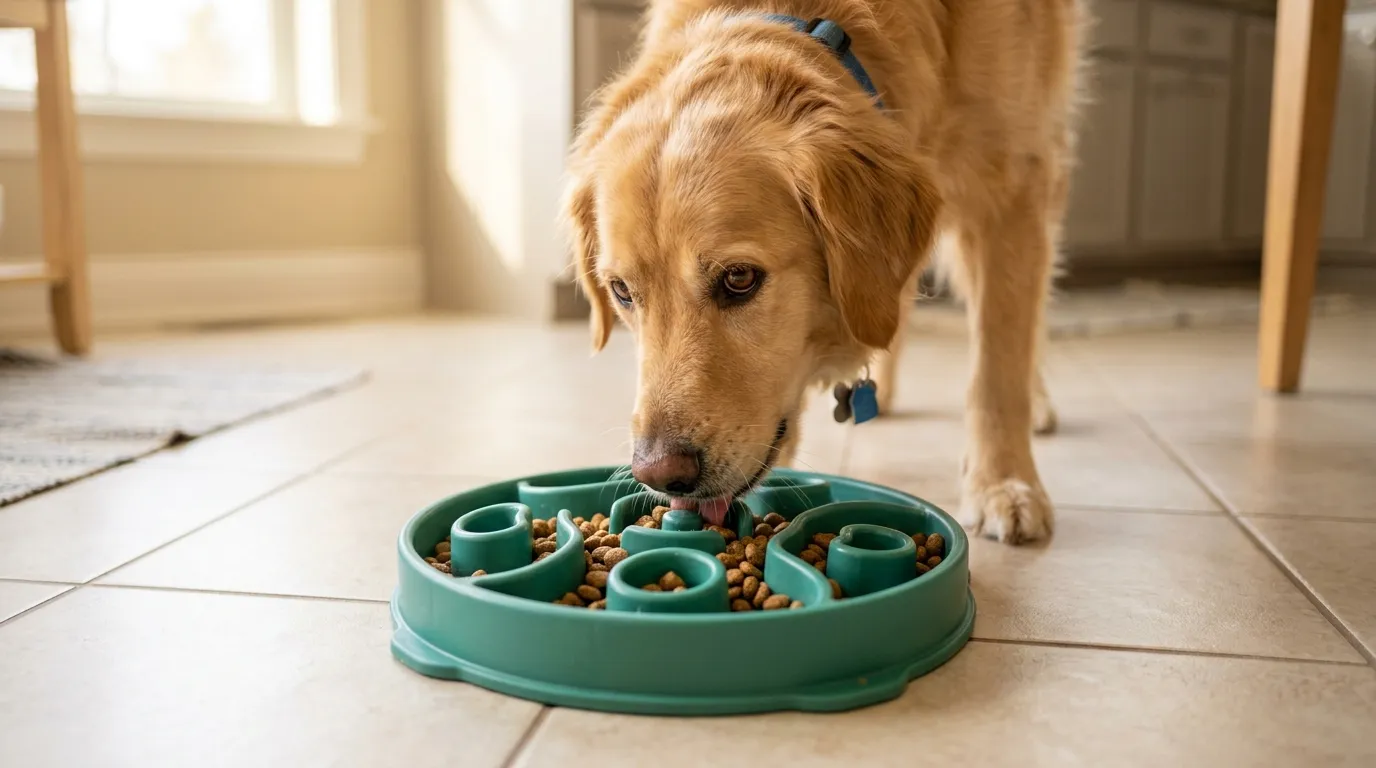
Emptying the bowl in seconds is not enthusiasm: it is a habit with real risks. Causes, warning signs, and how to pick a slow feeder that works.
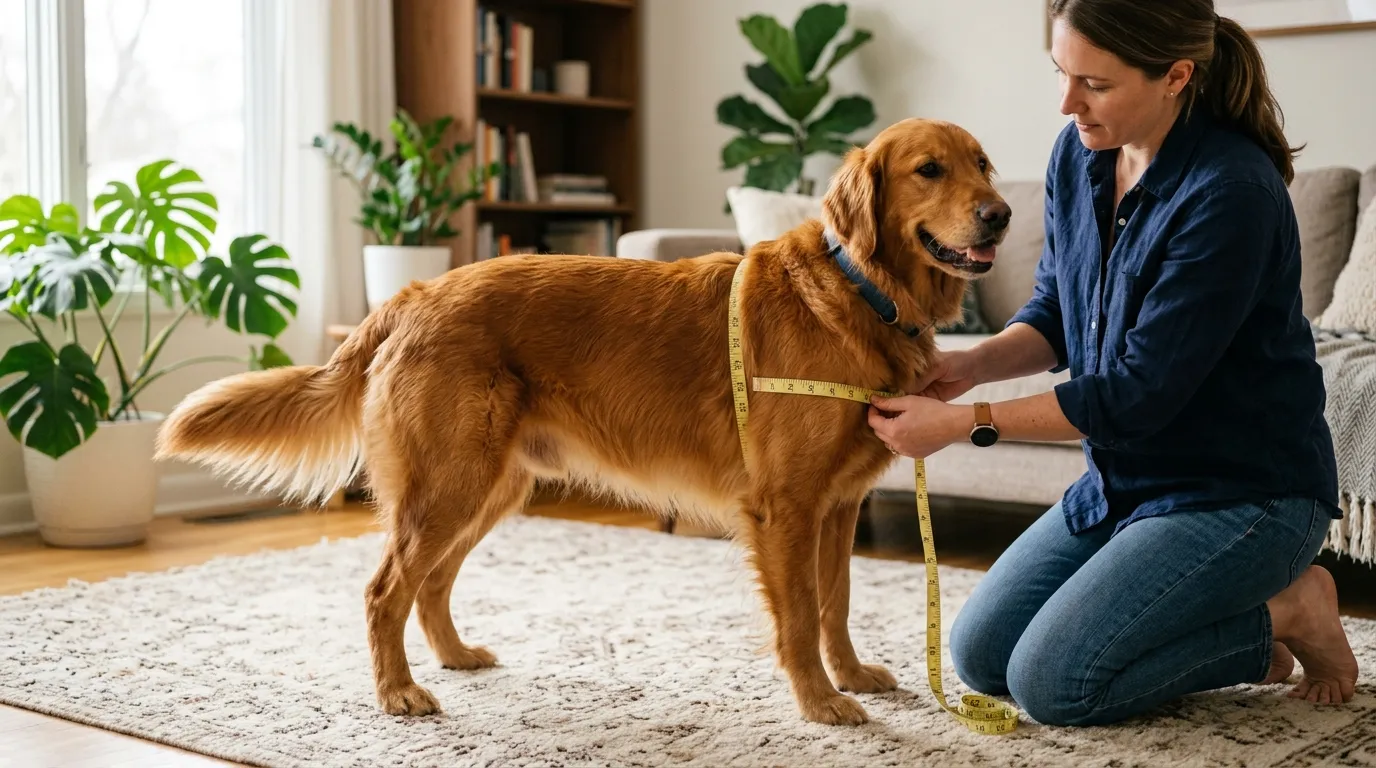
The three measurements you need, how to take them properly, what to do when your dog falls between two sizes, and how to check the fit with the two-finger rule.