Automatic feeder with timer: what it's good for and what it isn't
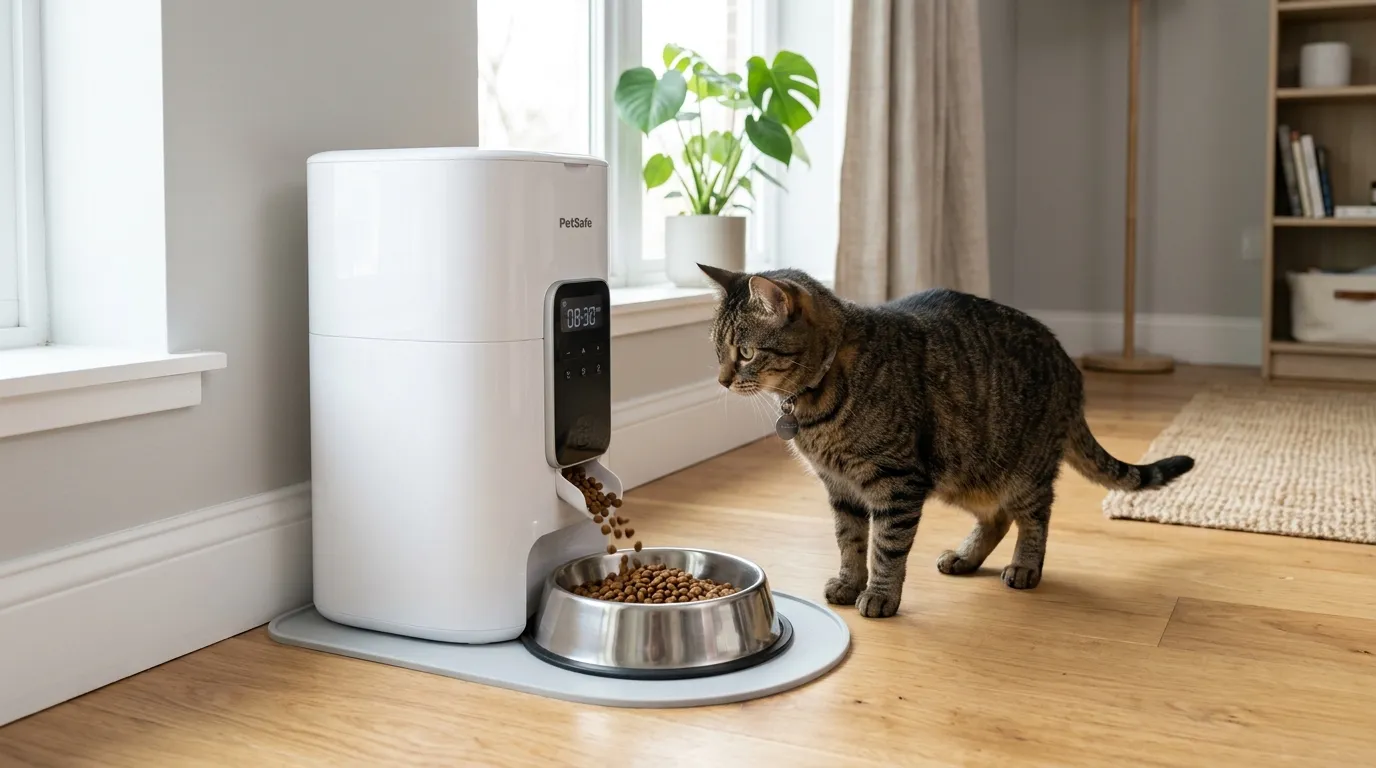
A feeder with a timer helps keep fixed schedules during short absences, but it doesn't replace veterinary portion control for restricted diets.
Leer artículo
Litter box, water, scratching posts, transport and home safety for cats, with a focus on flats and small spaces.
Cats punish bad decisions quietly: they stop using the litter box, they ignore the expensive scratching post and go for the sofa, they will not drink from the fountain. It is almost never stubbornness. It is almost always a physical property of the product or of where it was placed.
We prioritise flats and small spaces, which is the reality for most cat owners. When a recommendation depends on square metres or on whether there is a balcony, we say so explicitly instead of averaging it away.
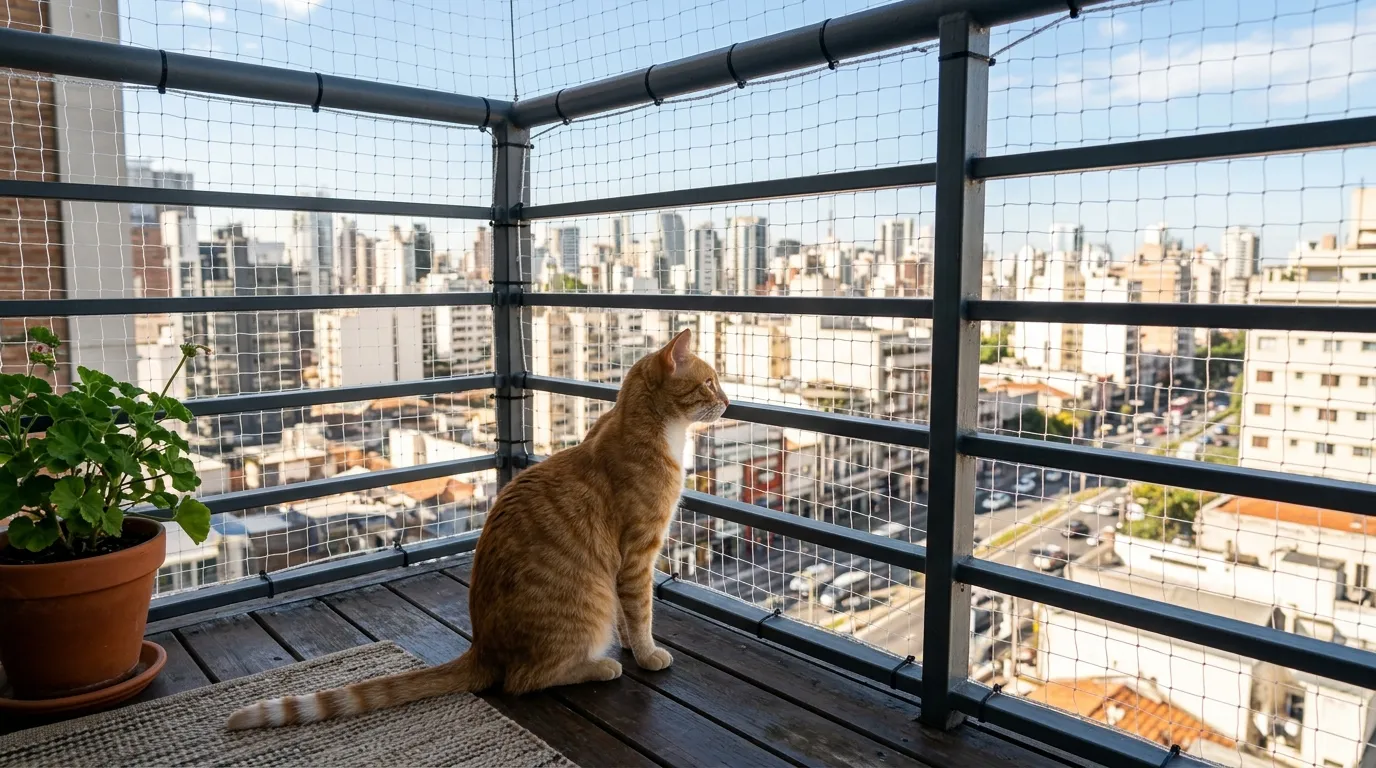
Windows and balconies are the most serious and most underestimated risk. Any article in this section that touches the subject treats it as a safety matter, not a decorating one.
The decision with the biggest daily impact. Usable size, placement and cleaning frequency matter more than the model.
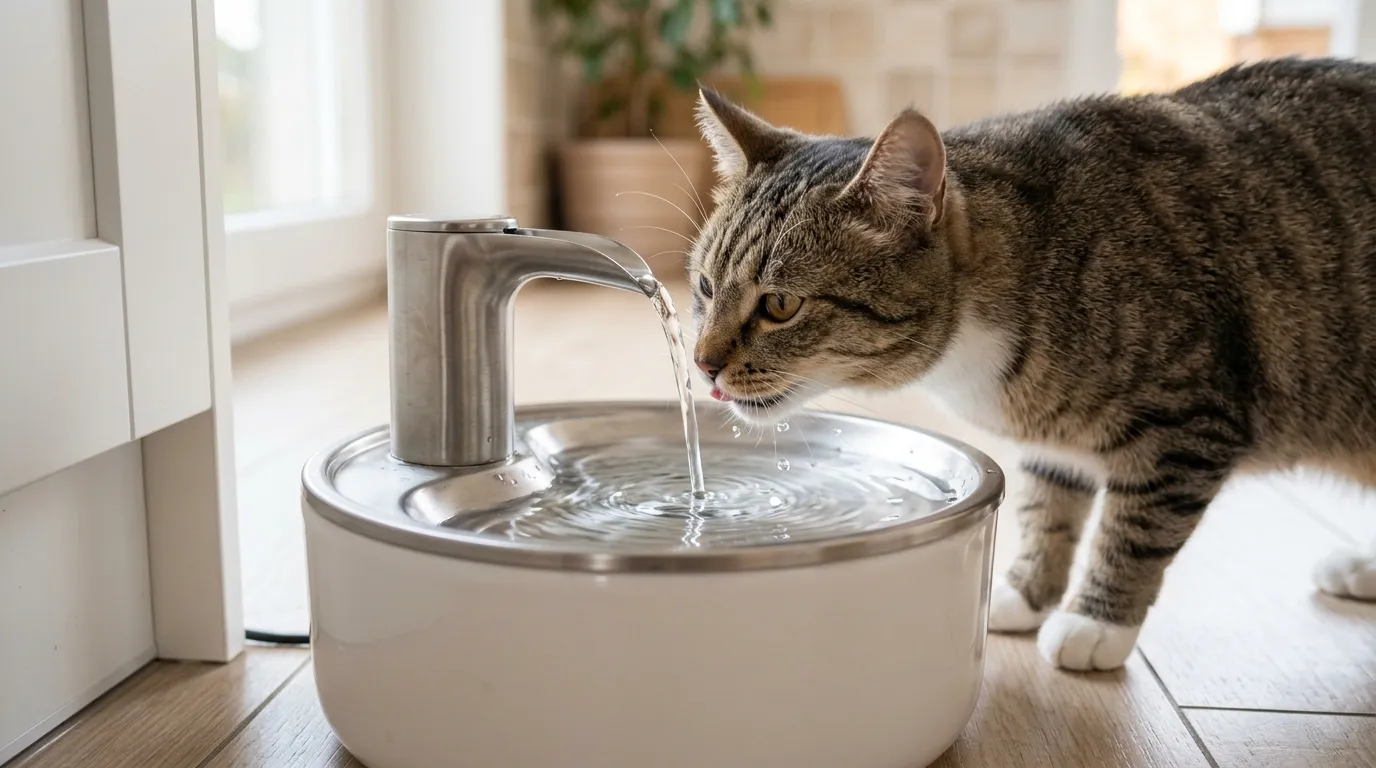
Water intake, fountain motor noise, and how easily a fountain really comes apart for washing.
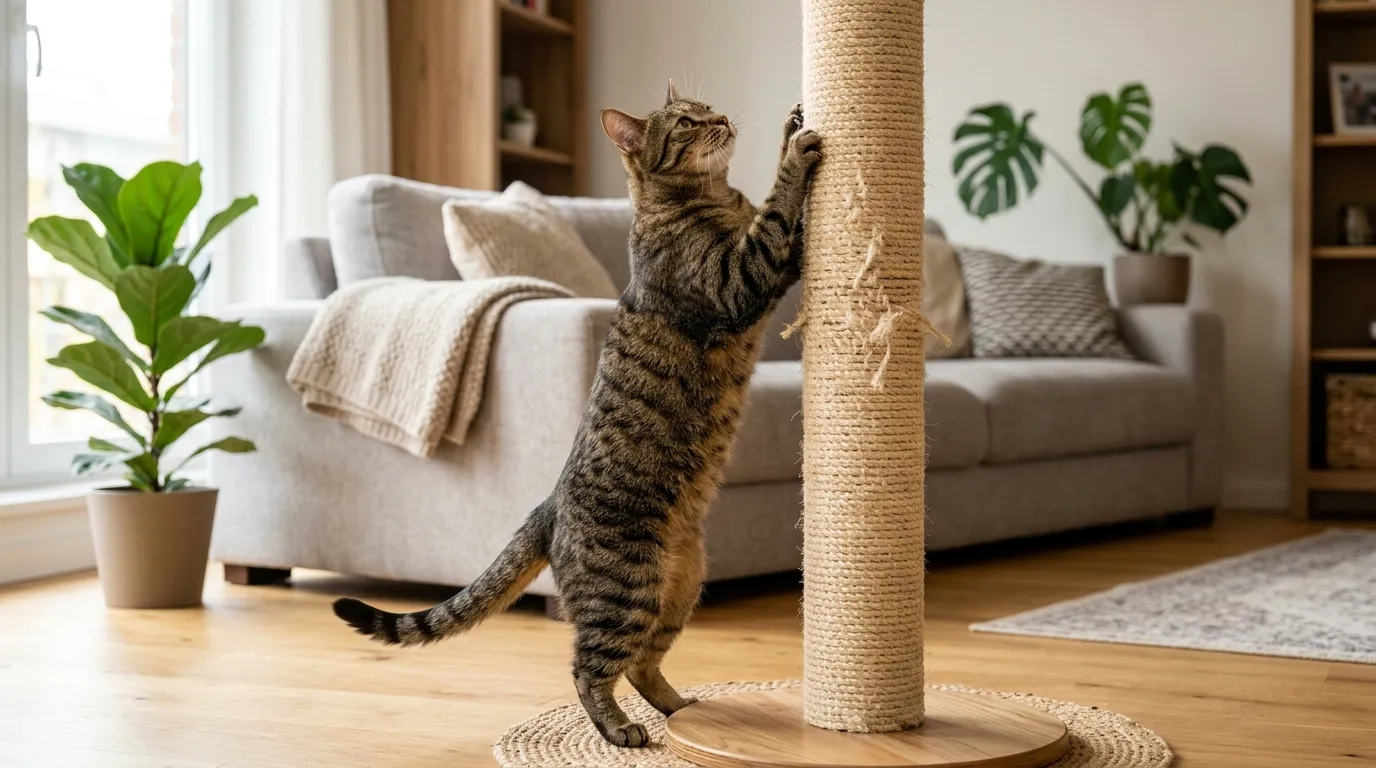
Height, stability and material. A wobbly scratching post does not get used.
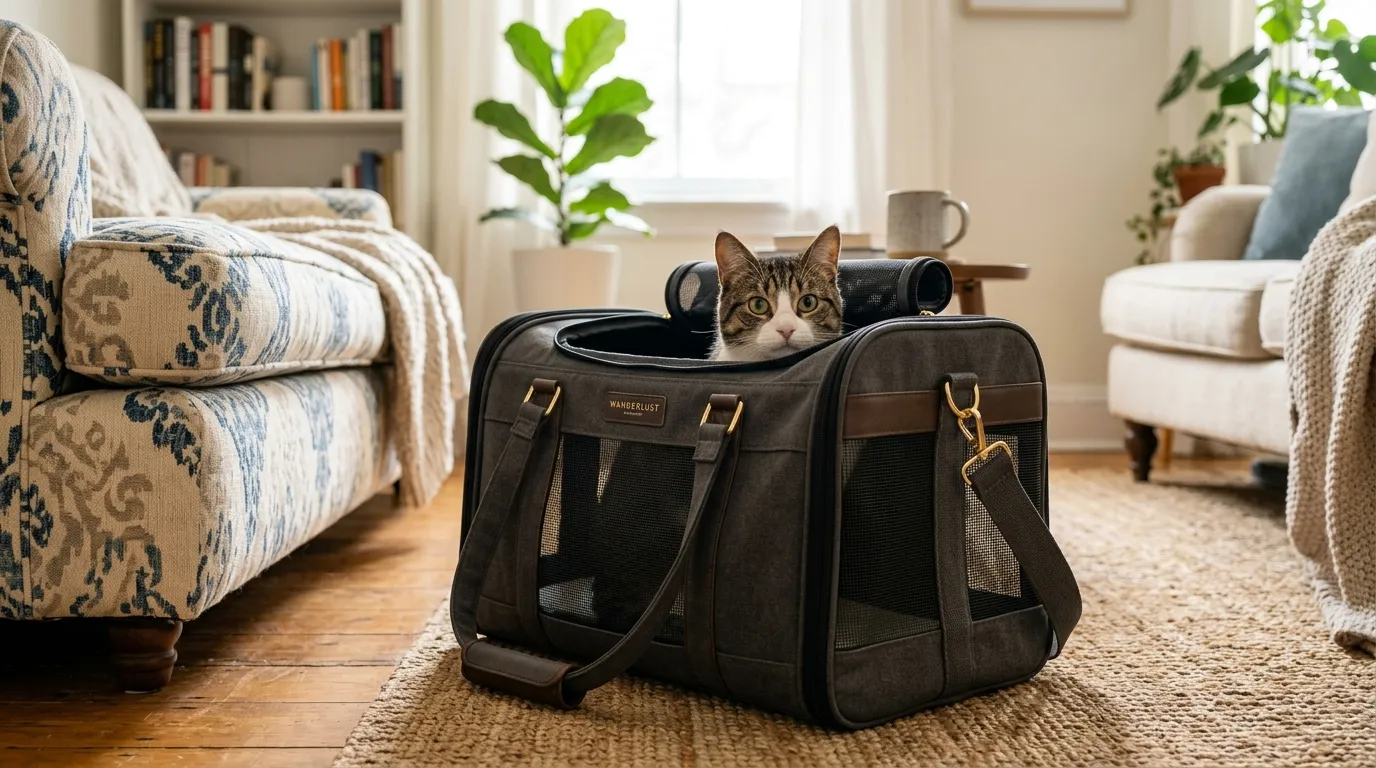
Measurements, top opening, and getting the cat used to the carrier before travel day.
Securing windows and balconies, wand play and rotating toys.
A feeder with a timer helps keep fixed schedules during short absences, but it doesn't replace veterinary portion control for restricted diets.
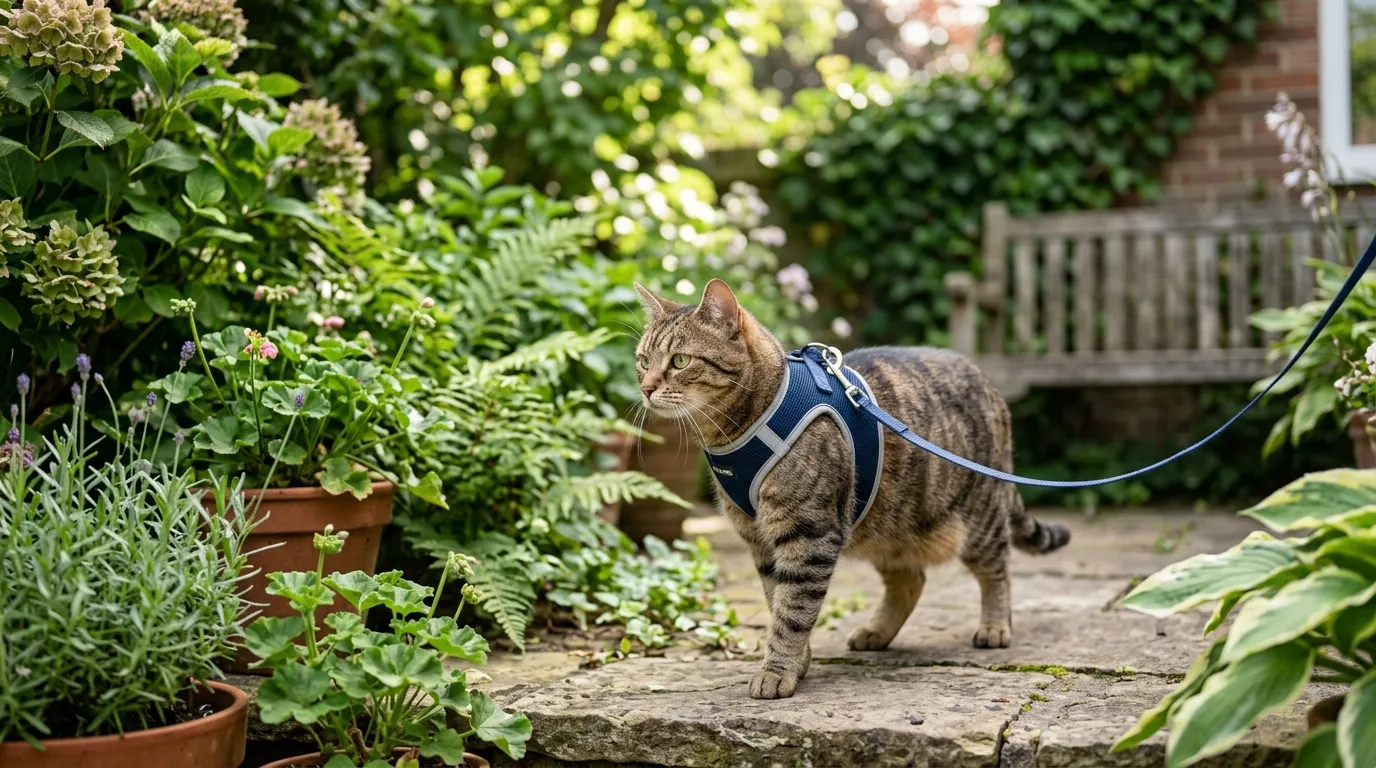
A cat needs to get used to the harness indoors before even thinking about going outside. How to make the transition without triggering rejection, and what to expect from the first walk.
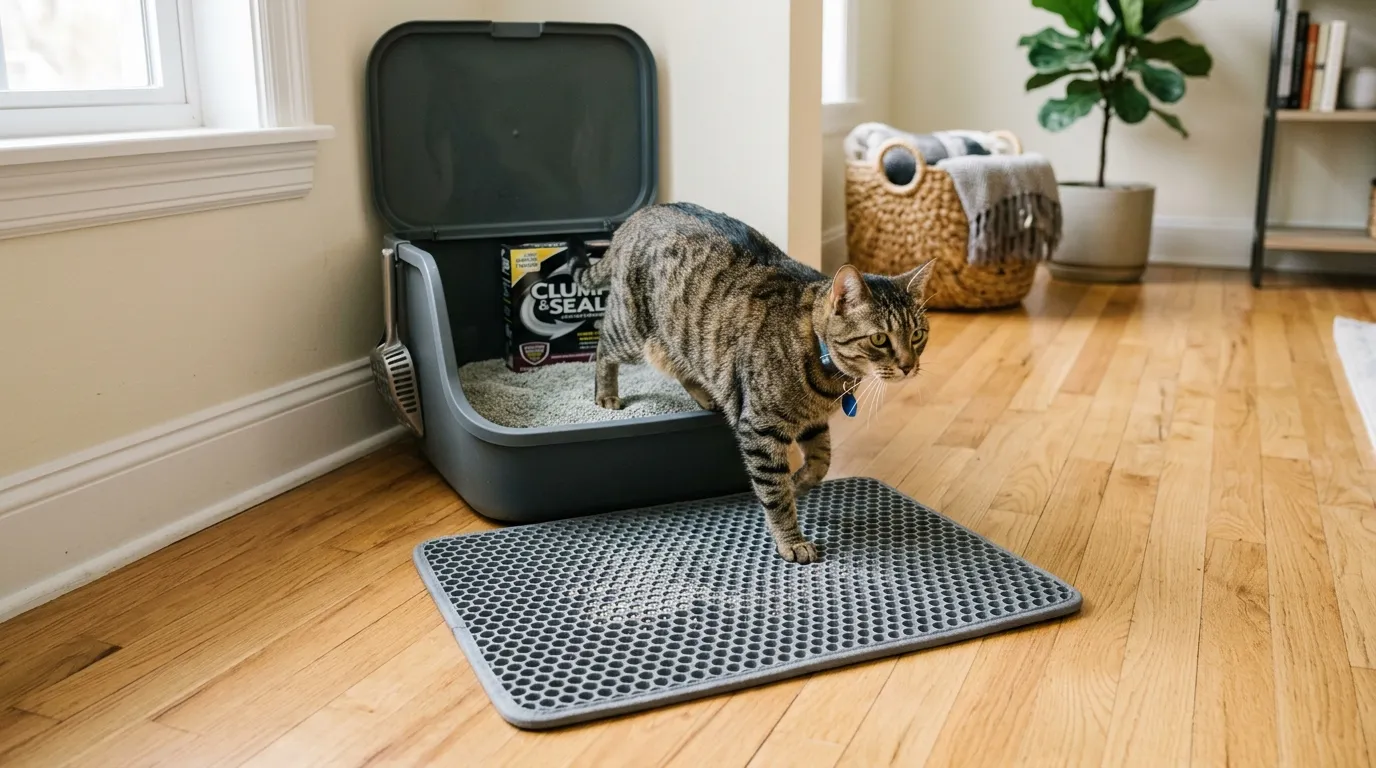
A double-layer mat reduces litter scattered outside the box, but doesn't eliminate daily cleaning. How to choose one and why placement matters as much as the mat itself.
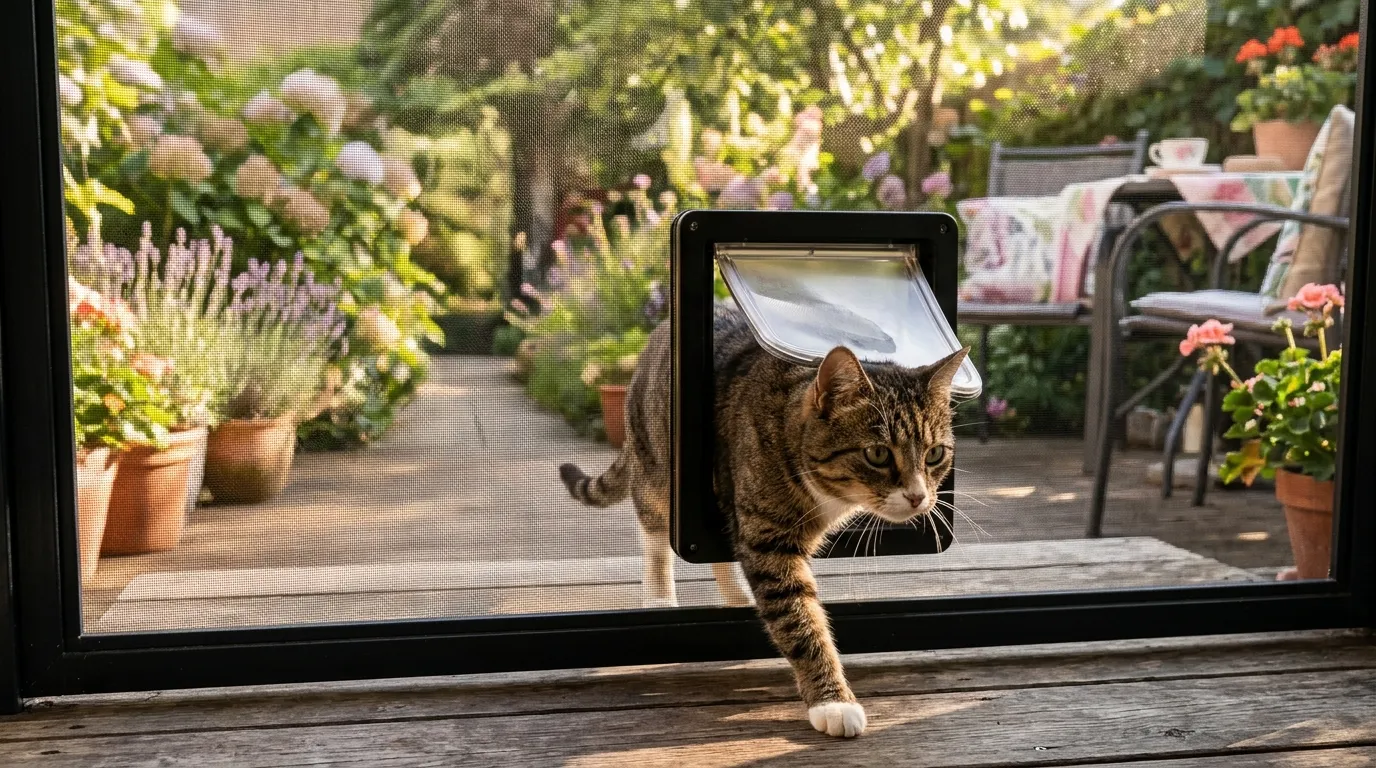
A flap door with mesh lets the cat pass through without leaving the whole opening available to escape. What to check in the frame before installing it.
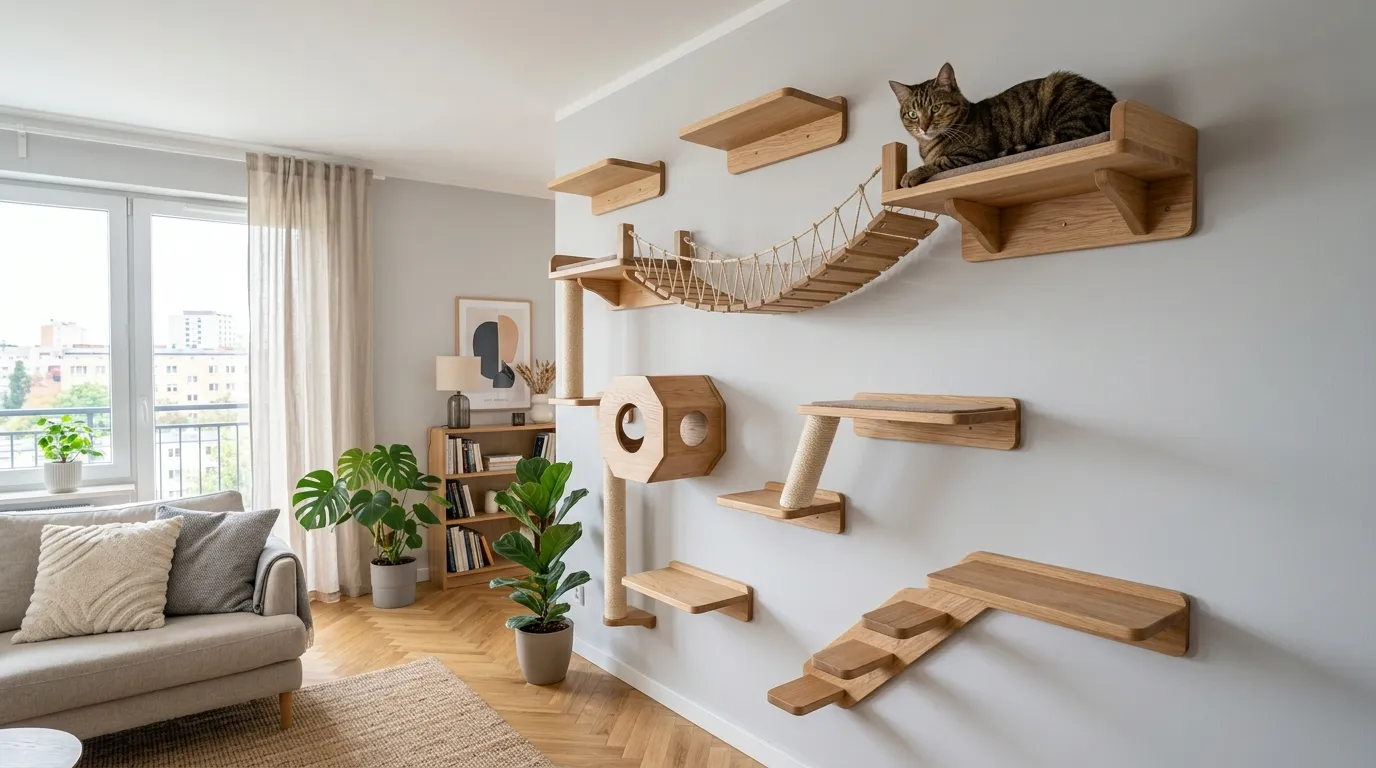
A cat needs height, not square meters. How to use wall shelves to gain vertical space without giving up floor room, and what to check before anchoring anything to a wall.
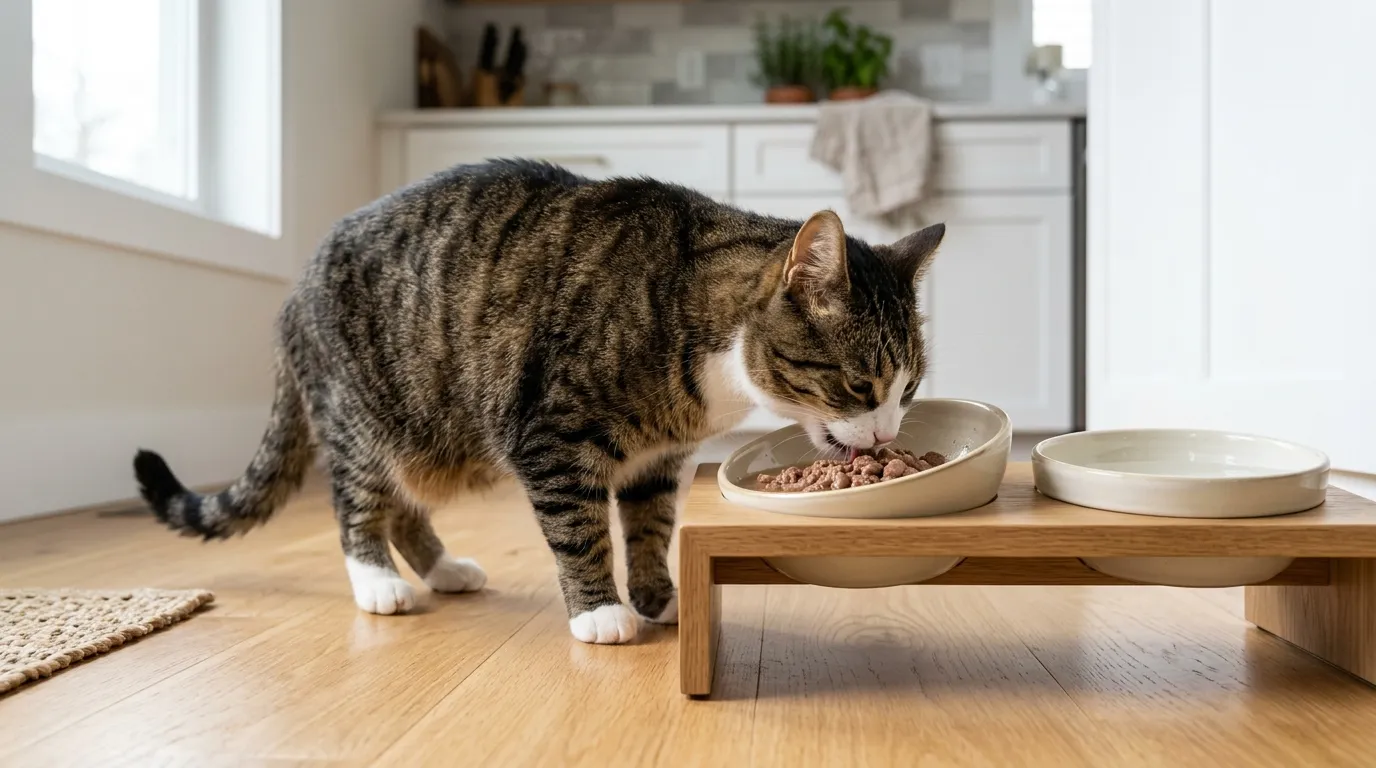
Eating from a low bowl presses the whiskers against its walls, which some cats avoid by eating only around the rim. How an elevated feeder changes that, and what to check before buying one.
A laser pointer gives nothing to actually bite at the end, and that can frustrate a cat. How wand play completes the hunting sequence, and why it's worth rotating with other stimuli.
High-rise syndrome in cats is real and more common than it seems. Why higher floors aren't safer, and how to actually secure windows and balconies.
Most carrier struggles are about the carrier, not the cat. Size, opening style, and how to get your cat used to it before you need it in a hurry.
Scratching isn't bad behaviour: it's a physical need with three separate functions. Why the sofa wins, where to place a scratching post, and how to pick one your cat will prefer.
Cats evolved to get most of their hydration from prey, not from a bowl. Signs of low intake, why still water puts them off, and how to pick a fountain they will actually use.